
Understanding Anxious Arousal in PTSD: The Role of Personalized Nervous System Regulation Therapy

For those navigating the complexities of Posttraumatic Stress Disorder (PTSD), the experience can often feel overwhelming and isolating. You might find yourself constantly on edge, struggling with a persistent sense of dread or hypervigilance. A recent article in Frontiers in Psychiatry sheds light on a crucial aspect of this experience: the significant heterogeneity within PTSD, particularly focusing on a subgroup characterized by elevated anxious arousal. This research points towards the promise of personalized approaches, including novel pharmacotherapies targeting the GABAergic system, and reinforces what I see in my practice about the power of nervous system regulation therapy.
Unpacking Anxious Arousal and the Nervous System
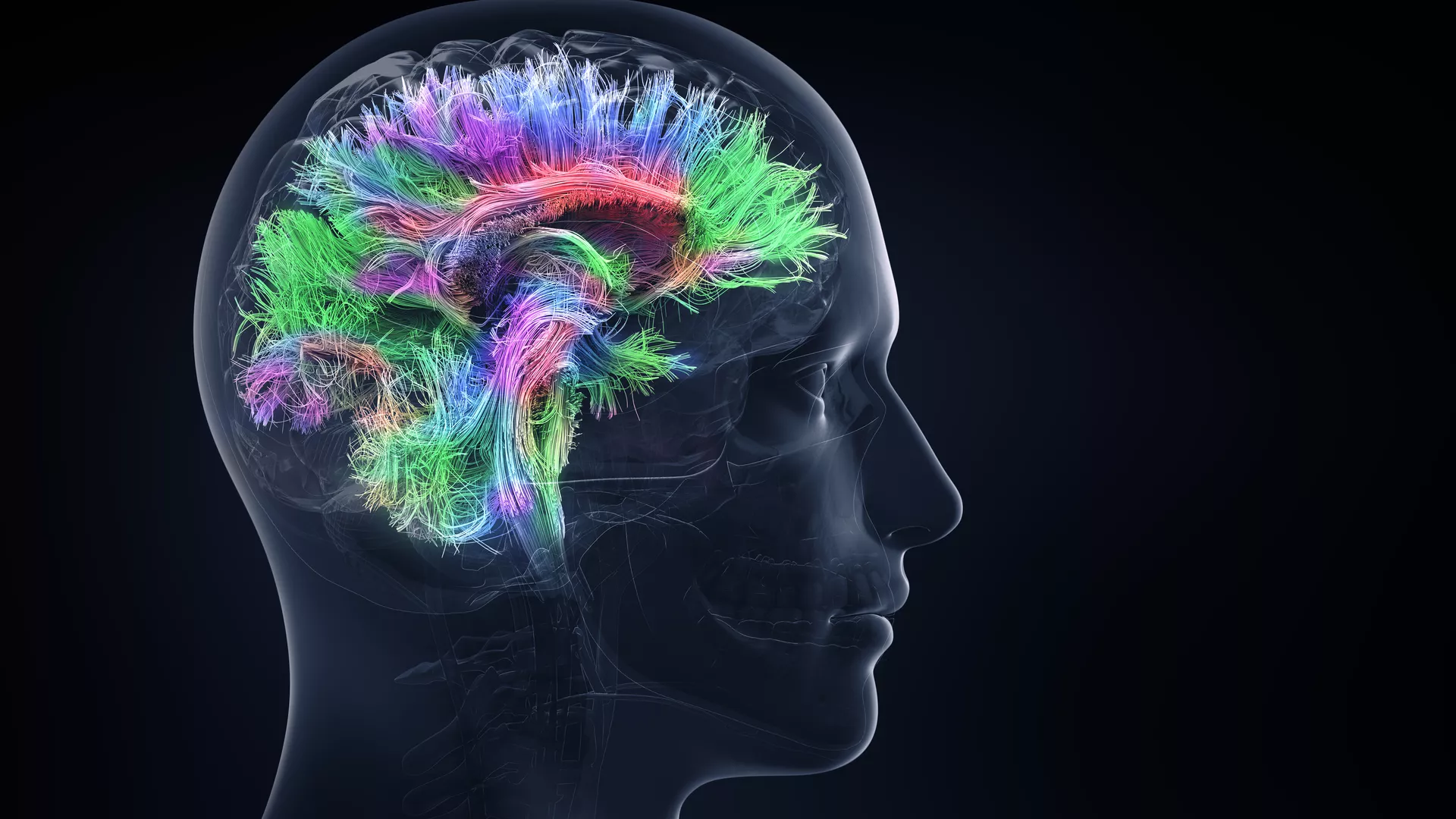
The article highlights a critical insight: not all PTSD manifests in the same way. While we often think of PTSD as a singular condition, research reveals a rich tapestry of symptom patterns. One particularly distinct and impactful pattern is "anxious arousal" – that relentless feeling of being wired, on guard, or easily startled. This isn't just a mental state; it's a deeply embodied experience, with measurable physiological markers ranging from exaggerated startle reflexes to specific brain region activity.
What I've observed with clients in my practice is that this anxious arousal often presents as a nervous system stuck in a high-alert state. Their system, having learned to anticipate danger, struggles to downregulate, even when the immediate threat has passed. This can manifest as insomnia, irritability, difficulty concentrating, and a pervasive sense of unease. The body's natural self-protective mechanisms, once vital for survival, become overactive, creating a constant internal alarm.
The GABAergic System: A Key to Calm?
The Frontiers in Psychiatry article delves into the brain's GABAergic system, which acts as the primary inhibitory neurotransmitter. Think of GABA as the brain's natural "brake pedal," helping to calm overactive neural pathways. The research suggests that dysfunction in this system may play a central role in elevated anxious arousal in PTSD. This is why novel pharmacotherapies targeting GABA receptors are being explored as promising avenues for personalized treatment, especially for this high-arousal subgroup.
It’s fascinating to consider how these biochemical insights align with our understanding of the nervous system. When the GABAergic system isn't functioning optimally, the nervous system loses some of its capacity for self-regulation. This can leave individuals feeling exposed, vulnerable, and constantly reactive. The goal of personalized medicine, as the article suggests, is to identify these specific biological pathways to tailor interventions more effectively.
Beyond Medication: An Embodied Approach to Regulation
While the article focuses on pharmacological interventions, its emphasis on understanding distinct subgroups and targeting specific mechanisms resonates deeply with my approach to healing trauma. In my somatic practice, I see anxious arousal as a powerful signal from the body. Rather than pathologizing it, we approach it with curiosity and compassion. From a Sensorimotor Psychotherapy lens, this is where the nervous system is communicating a need for safety and regulation.
When the body holds this elevated state of anxious arousal, somatic nervous-system work invites us to gently notice and track these bodily sensations without judgment. We learn to identify the subtle cues of activation – the racing heart, the shallow breath, the tension – and then, through mindful movement, breathwork, and titrated exposure, we help the nervous system gradually expand its capacity to tolerate and move through these states. This isn't about suppressing arousal, but about building an internal sense of resource and choice, allowing the system to find its way back to a more regulated, coherent state. This process is inherently personalized, as each individual's body has its own unique story and rhythm.
Similarly, in Ketamine-Assisted Psychotherapy (KAP), we often see individuals experience profound shifts in their felt sense of safety and regulation. The medicine can create a temporary window of opportunity for the nervous system to relax and reorganize, allowing for new insights and a deeper connection to internal resources, which can be particularly impactful for persistent arousal.
This new research reinforces the idea that understanding the nuances of each person's experience of PTSD is key to effective healing. Whether through targeted pharmacotherapy, embodied practices, or a combination, the journey toward regulation is deeply personal. For more posts on mental health, please explore my blog.
If you're experiencing persistent anxious arousal or other symptoms of PTSD and are curious about how nervous system regulation therapy or other integrative approaches might support your healing journey, I invite you to reach out. We can explore a path that honors your unique experience. You can schedule a complimentary 15-minute consultation to see if my approach at bodymeetmind.com is the right fit for you.
—
This post was inspired by the article "Precision phenotyping of elevated arousal in posttraumatic stress disorder: implications for personalized GABAergic pharmacotherapy". Click the link to read the full original article.