Tapping into Healing: Exploring Trauma Therapy That Works with the Body

As a licensed psychotherapist in California specializing in somatic trauma therapy, I'm always fascinated by innovative approaches that help us move beyond the limitations of talk therapy alone. Recently, I was drawn to an article in Psychotherapy Networker titled "Tapping into Trauma," which explores the growing evidence and acceptance of Emotional Freedom Techniques (EFT), often known simply as "tapping." The stories shared in the article, like Diane's rapid relief from highway phobia after a severe accident, resonate deeply with what I've seen in my practice: when we involve the body in healing, profound shifts can occur.
The Power of Trauma Therapy That Works with the Body
The article highlights how traditional therapy, while valuable, sometimes struggles with deeply ingrained physical responses to trauma. Diane had years of CBT, neurofeedback, and medication, yet her body still reacted with panic when faced with a highway, as if the accident were happening anew. This is a common experience for many who carry the weight of past trauma. Their minds may understand they are safe, but their nervous systems haven't received the memo. This is precisely where the strength of trauma therapy that works with the body comes into play.
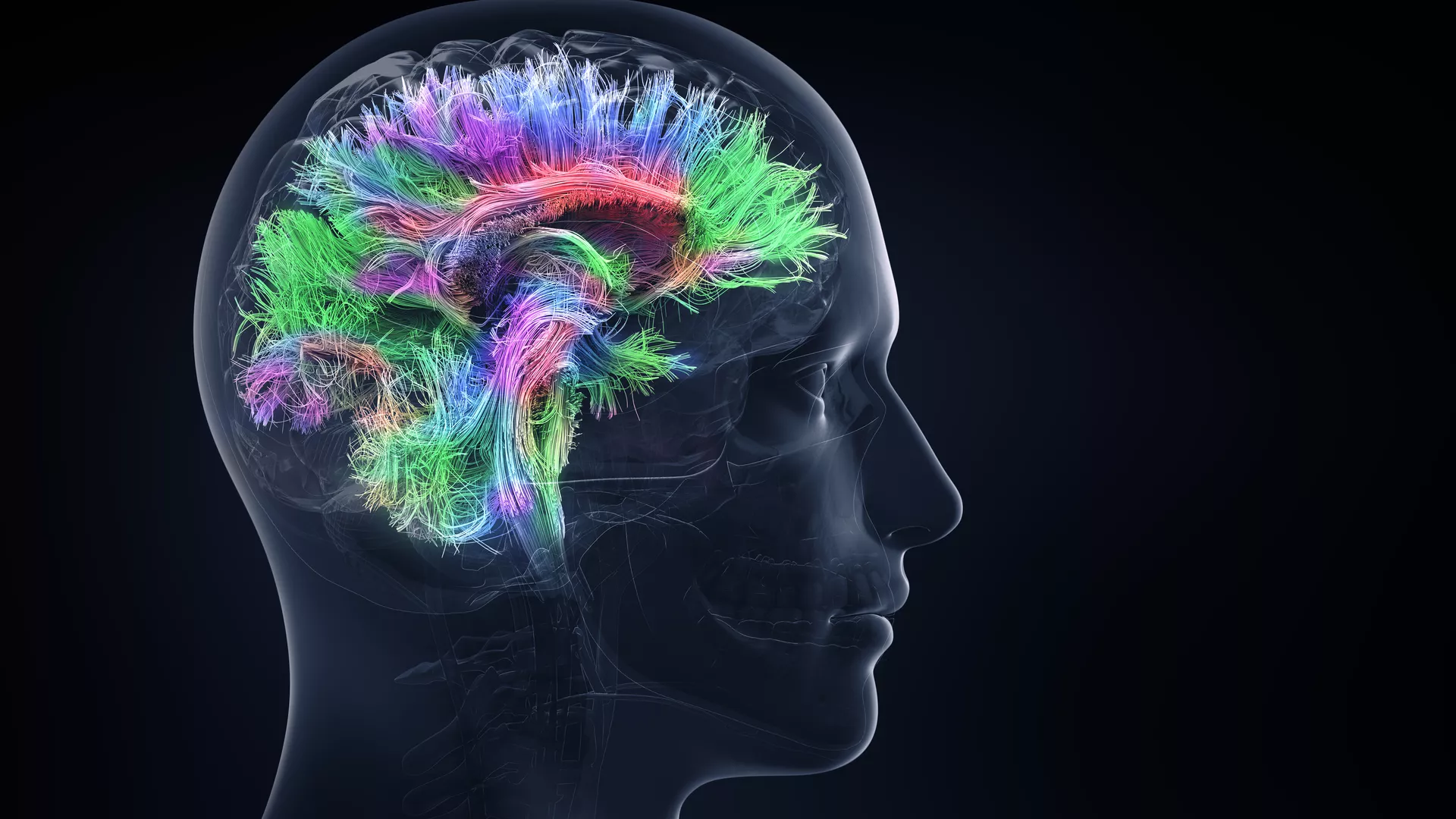
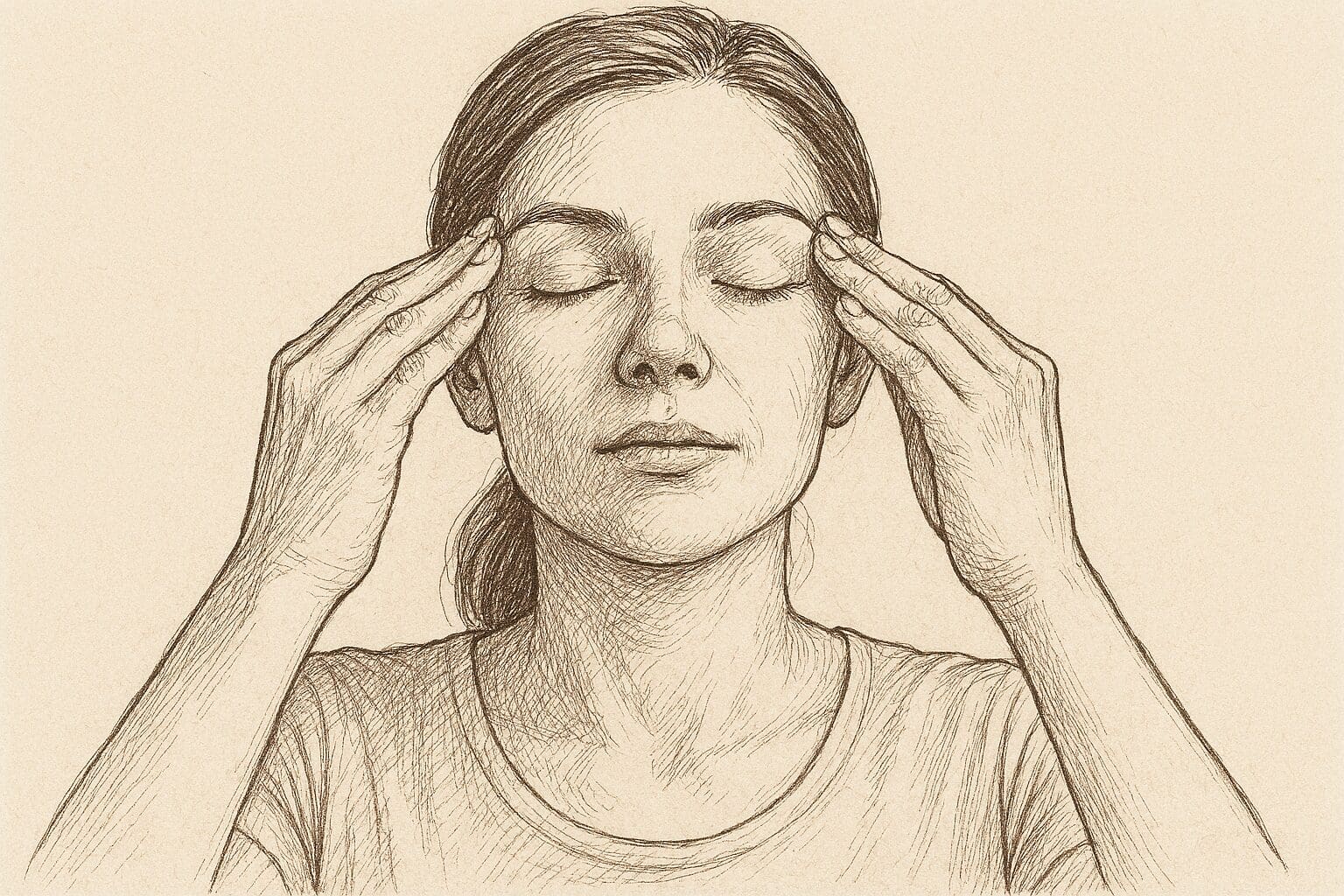
Tapping, as described, involves gently stimulating acupressure points while focusing on a distressing memory or feeling. The core idea is that this physical stimulation sends deactivating signals to the nervous system, effectively overriding the brain's alarm response. Imagine the amygdala, our brain's smoke detector, firing off a false alarm. Tapping seems to offer a way to send a direct "all clear" signal, helping the brain to neurologically update its understanding of the memory – moving it from a present danger to a past event.
Why the Body Holds the Key
What I find particularly compelling, and what aligns so well with my work in somatic therapy, is the mechanism described: "the body’s present-moment experience of safety overrides the brain’s stored record of danger." This is the essence of embodied healing. Trauma isn't just a story we tell; it's an experience encoded in our cells, our muscles, our breath patterns, and our nervous system. When the body holds onto the memory of danger, it continues to respond as if that danger is imminent, even years later.
In my practice, using modalities like Sensorimotor Psychotherapy, we don't just talk about the trauma; we gently invite the client to notice how it lives in their body. Where do they feel the tension? What sensations arise when they recall a difficult moment? We then work with those bodily sensations, allowing them to complete thwarted defensive responses or discharge activation in a safe, titrated way. Tapping seems to offer a similar, direct pathway to nervous system regulation, providing a "deactivating signal" that helps the body release its grip on past threats.
The article points to compelling evidence: rapid reductions in amygdala activity, increases in prefrontal engagement, reductions in cortisol, and even favorable epigenetic changes. These aren't just subjective reports; they are measurable biological shifts. This is incredibly exciting for those of us who advocate for body-centered approaches, as it provides robust scientific backing for what we observe clinically. It reminds me of the journey EMDR took from skepticism to mainstream acceptance, and it suggests that energy psychology, including tapping, is on a similar trajectory.
Bridging the Gap: From Alarm to Safety
The most powerful aspect of tapping, from a somatic perspective, is its ability to directly address the dysregulation within the nervous system. When we experience trauma, our nervous system can get stuck in patterns of fight, flight, freeze, or fawn. Our bodies are constantly scanning for threat, even when our conscious mind knows we are safe. Tapping offers a gentle, yet powerful, way to intervene at this physiological level. It's not about intellectualizing the trauma away, but rather, about helping the body itself to feel safe enough to release the stored energy of past events.
This is why I believe approaches like tapping are so complementary to traditional talk therapy and other body-based modalities like the somatic trauma therapy I offer. They provide tangible tools for clients to engage with their own healing process, fostering a sense of agency and self-regulation. It's about empowering individuals to listen to what their body already knows and gently guide it towards a state of calm and integration. The fact that tapping can be taught for self-application is also a huge benefit, extending the therapeutic work beyond the session and into daily life.
As therapists, it's crucial for us to remain open to modalities that offer effective, evidence-based paths to healing, especially when they address the embodied nature of trauma. The more tools we have to help the nervous system find its way back to regulation, the more hope we can offer to those who have felt stuck in the grip of their past. For those interested in exploring these connections further, you might find more posts on trauma and PTSD on my blog helpful.
If you're curious about how a body-centered approach might support your own healing journey, I invite you to reach out. You can learn more about my approach and schedule a free 15-minute consultation at bodymeetmind.com.
—
This post was inspired by the article "Tapping into Trauma". Click the link to read the full original article.