
Neurodiversity & Eating Disorders: Understanding the Unique Needs of AuDHD, Autistic, and ADHD Individuals

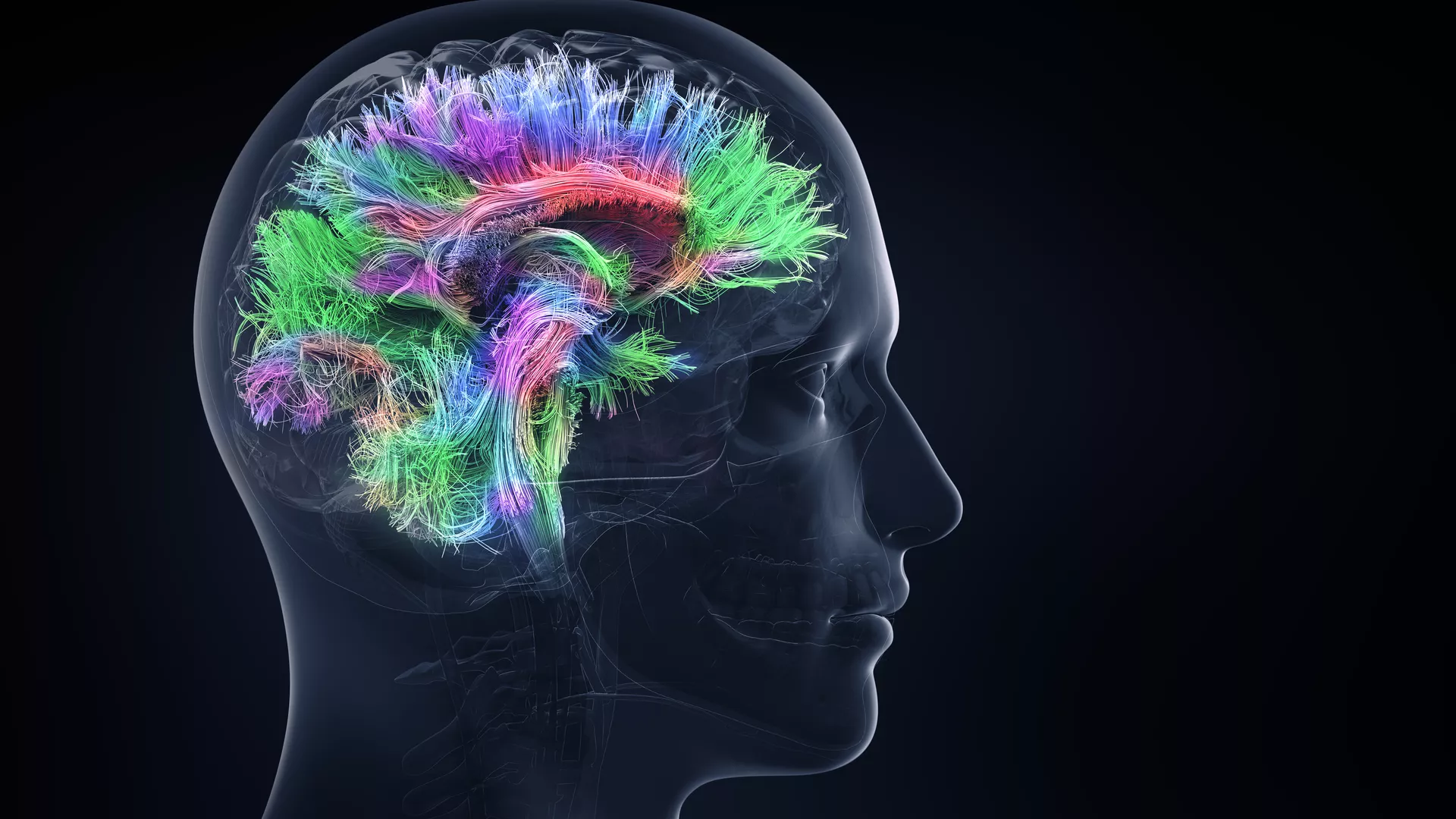
Eating disorders are incredibly complex, often intertwined with a myriad of underlying factors that can sometimes go unnoticed. In my work as a somatic trauma therapist, I've seen firsthand how deeply our nervous systems and individual ways of experiencing the world influence our relationship with food and body. This is why a recent study published in Frontiers in Psychiatry, titled "Time to notice neurodiversity in eating disorder services: a three-year real-world analysis of autism, ADHD, and AuDHD," truly resonated with me.
Unpacking the Intersections: Neurodiversity and Eating Disorders
The article highlights a crucial area of understanding: the significant overlap between neurodiversity (specifically Autism, ADHD, and co-occurring AuDHD) and eating disorders. What this research underscores is that individuals who are neurodivergent often present with greater clinical complexity in eating disorder services. This isn't just about a diagnosis; it's about recognizing that their nervous systems and processing styles can profoundly shape their experience of an eating disorder and their journey toward healing.
The study found that individuals with suspected or known Autism, ADHD, or both (AuDHD) experienced higher levels of ED psychopathology, psychological distress, and greater difficulties in work and social functioning compared to neurotypical individuals with eating disorders. Interestingly, while the ADHD-only group showed the highest ED psychopathology, the AuDHD group exhibited the most pronounced psychological distress and functional impairment. This suggests a unique interplay of challenges when both neurotypes are present.
The Embodied Experience: Why Neurodivergence Matters in ED Treatment
So, what does this mean for the embodied experience of someone navigating an eating disorder while also being neurodivergent? The study points to several key factors:
• Sensory Sensitivities: For many Autistic individuals, sensory processing differences can lead to food aversions, a need for strict routines around food, or even using restrictive eating as a way to cope with overwhelming sensory input. The EDE-Q, a common assessment tool, might even miss these nuances, potentially underestimating the severity of their experience.
• Executive Function Challenges: ADHD, in particular, is linked to difficulties with executive functions like planning, organization, and impulse control. This can manifest in impulsive eating behaviors, binge-purge cycles, or challenges in adhering to structured meal plans, which are often a core part of ED recovery.
• Emotional Regulation: Both Autism and ADHD can involve distinct patterns of emotional regulation, sometimes leading to heightened anxiety, depression, or difficulty identifying and expressing internal states (alexithymia). Eating disorder behaviors can then become a powerful, albeit maladaptive, coping mechanism for these intense internal experiences.
• Social & Functional Impact: The study also noted higher rates of work and school absences and greater difficulties in social functioning among neurodivergent individuals with EDs. This can create a deeper sense of isolation and impact their ability to engage with treatment effectively.
Tailored Healing: A Path Forward
This research emphasizes a critical need for person-centered care that recognizes and adapts to the unique needs of neurodivergent individuals. As a therapist specializing in somatic trauma therapy and Ketamine-Assisted Psychotherapy (KAP), I find this deeply affirming. True healing isn't a one-size-fits-all process; it requires understanding the individual's unique nervous system, their felt sense of self, and how their mind and body connect.
The study's suggestions for tailored support resonate with an integrative approach:
• Clear Communication: Providing clear, concise instructions and allowing extra time for processing information can make a world of difference.
• Sensory Adaptations: Creating predictable environments, offering sensory tools (like fidgets or weighted blankets), and incorporating sensory workshops can help regulate the nervous system and reduce overwhelm, making it easier to engage with food and treatment.
• Executive Function Support: Strategies that help with focus, organization, and time management can empower individuals to build healthier routines.
• Interoception-Based Interventions: Helping individuals tune into their internal bodily cues – a core aspect of somatic work – can be especially valuable for those with interoceptive hyposensitivity, allowing them to better understand hunger, fullness, and emotional states.
What this all boils down to is a call for deeper empathy and a more nuanced understanding in the mental health field. When we acknowledge and adapt to the diverse ways human brains and bodies function, we open up more effective pathways to healing for everyone.
Have you ever considered how your unique way of processing the world might influence your relationship with food or your overall well-being?
If you're curious about exploring these connections in a supportive and integrative space, I invite you to learn more about my approach at bodymeetmind.com. You can also book a free 15-minute consultation to see if my practice is the right fit for your journey.
—
This post was inspired by the article "Time to notice neurodiversity in eating disorder services: a three-year real-world analysis of autism, ADHD, and AuDHD". Click the link to read the full original article.