
Navigating Psychedelic Healing: Why Relational and Somatic Support Matters in Ketamine-Assisted Psychotherapy

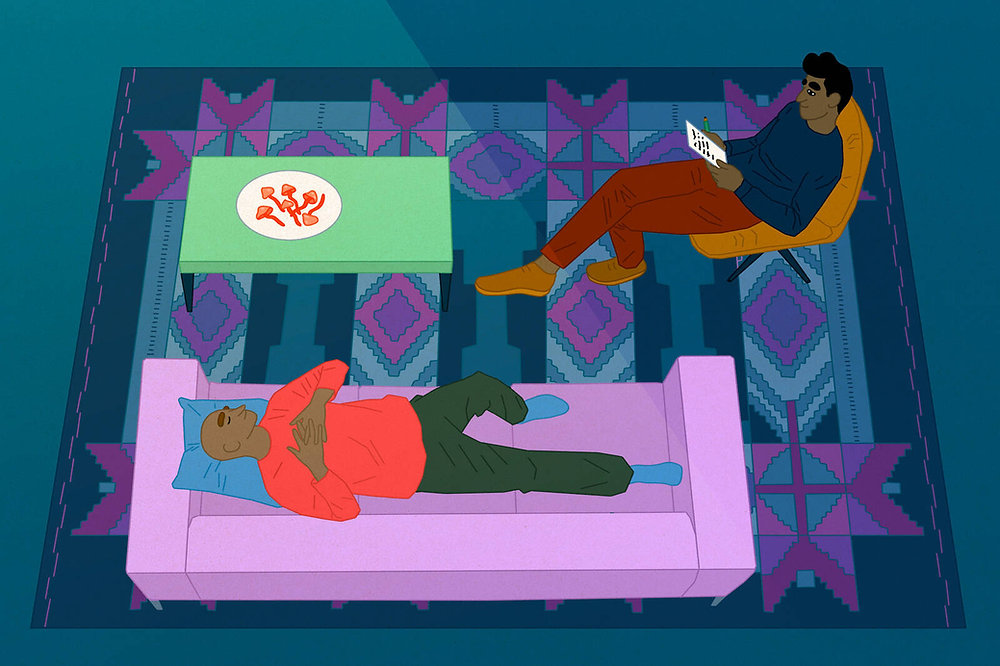
The landscape of therapeutic healing is continually evolving, and modalities like Ketamine-Assisted Psychotherapy (KAP) are offering profound new avenues for growth and transformation. As a therapist specializing in KAP in California, I often reflect on what truly creates a container for deep, lasting change, particularly when working with altered states of consciousness. A recent article exploring the differences between the “sitter model” and Psychedelic Somatic Interactional Psychotherapy (PSIP) beautifully articulates a perspective that resonates deeply with my own approach: the critical role of active, relational, and somatic engagement during psychedelic experiences.
The Evolution of Support in Ketamine-Assisted Psychotherapy
The article highlights a crucial distinction in how support is offered during psychedelic journeys. On one end, there’s the “sitter model,” characterized by a passive presence, where therapists primarily provide reassurance and medical oversight, with minimal interaction during the experience itself. The core belief here is that the medicine and the client’s internal process are the primary agents of change, with integration happening later in ordinary consciousness.
Then, there’s the model of Psychedelic Somatic Interactional Psychotherapy (PSIP), which stands in stark contrast. Here, the therapist is an active participant, deeply engaged within the client’s altered state. This isn’t about directing the experience, but about co-navigating a often complex, sometimes challenging, inner landscape alongside the client. It’s about being a skilled, trusted ally in the depths of the subconscious, especially when trauma is being excavated.
What I’ve observed in my practice, particularly with clients engaged in Ketamine-Assisted Psychotherapy, is that this active, relational presence can be truly transformative. The journey into non-ordinary states of consciousness can bring forth deeply held memories, emotions, and bodily sensations. Having a grounded, attuned presence to mirror, witness, and gently guide through these experiences can make all the difference in moving from overwhelming to insightful.
The Power of Relational Presence in Altered States
The PSIP model emphasizes that many mental health challenges, such as anxiety, depression, and complex trauma, stem from relational wounding. This is a truth I hold deeply in my work. Our earliest experiences with attachment and connection shape our nervous systems and our internal working models of self and others. When these wounds emerge in a psychedelic state, they often manifest as transference – projecting past relational dynamics onto the present therapeutic relationship.
The article beautifully describes how a client might project the image of a neglectful parent or a critical figure onto the therapist. In a passive model, this powerful material might be missed or left unaddressed. However, in an actively engaged, relational approach, this becomes a profound therapeutic opportunity. Allowing these projections to surface and be held within a safe, attuned relationship can be incredibly healing. It offers a chance to re-pattern deeply ingrained relational programs that have historically caused pain.
As a therapist with training in Gottman Method and other relational approaches, I understand that human relational wounding requires human relational healing. In KAP, this relational tether is vital. Even when a client experiences profound aloneness or dissociation in their journey, communicating that experience to an engaged therapist means that aloneness is in relationship. It’s being witnessed, held, and metabolized, rather than re-enacted or re-traumatized by isolation. This is where the profound healing of attachment wounds can begin to unfold.
Embodied Wisdom: Somatic Interventions in Psychedelic Therapy
One of the most compelling aspects of the PSIP model, and one that aligns directly with my somatic trauma therapy approach, is its foundation in understanding human psychobiology. It’s not just about what we think or feel, but how trauma impacts our autonomic nervous system, our body’s memory, and our capacity for regulation. This is where the somatic bridge becomes incredibly clear.
In my somatic nervous-system work, and especially in KAP sessions, we pay close attention to the body’s signals. The PSIP model describes tracking a client’s level of resource, their nervous system state, their dissociation, and how they engage with relational solutions. This is precisely what we do from a Sensorimotor Psychotherapy lens. We’re not just observing; we’re actively engaging with the felt sense in the body, understanding that true resolution often happens at a pre-verbal, embodied level.
When the body holds the residue of trauma, be it through chronic tension, numbing, or a sense of fragmentation, traditional talk therapy alone may not reach it. Psychedelics can open a doorway to these deeper layers, and a somatic approach provides the map and compass to navigate them. We work with the body’s wisdom to gently bring awareness to these sensations, allowing the nervous system to process and release what has been stuck, rather than just reliving it. This is particularly crucial for addressing dissociation, which the article notes is often at the heart of traumatic experiences and requires direct engagement rather than passive observation.
Beyond Integration: Healing in the Moment
The PSIP model posits that primary therapeutic benefit is derived during the psychedelic session, through psychobiological shifts at the level of the autonomic nervous system. Integration, while essential for solidifying gains, is secondary. This perspective resonates with my experience. While insights gained during KAP are invaluable, the most profound shifts often occur when the body itself undergoes a new, visceral experience of safety, connection, and resolution. This isn't just about understanding a narrative; it's about the organism learning a new way of being.
For those of us practicing Ketamine-Assisted Psychotherapy in California, this active, relational, and somatic approach ensures that the profound opening offered by the medicine is met with skilled, compassionate presence. It transforms a potentially overwhelming journey into a deeply reparative and integrative healing experience, allowing the body and mind to co-create lasting change.
If you're curious about how a relational and somatic approach to psychedelic therapy might support your healing journey, I invite you to explore more.
Ready to Explore Your Path to Healing?
If you're seeking support for trauma, anxiety, or relationship challenges, and are curious about how these body-centered and integrative approaches can help, I offer a complimentary 15-minute consultation. This is an opportunity for us to connect, discuss your needs, and see if my approach feels like a good fit for you. Learn more and schedule your free consultation at bodymeetmind.com.
—
This post was inspired by the article "What is the Difference Between the Sitter Model and Psychedelic Somatic Interactional Psychotherapy (PSIP)?". Click the link to read the full original article.