
Exploring the Future of Ketamine-Assisted Psychotherapy: A Somatic Approach

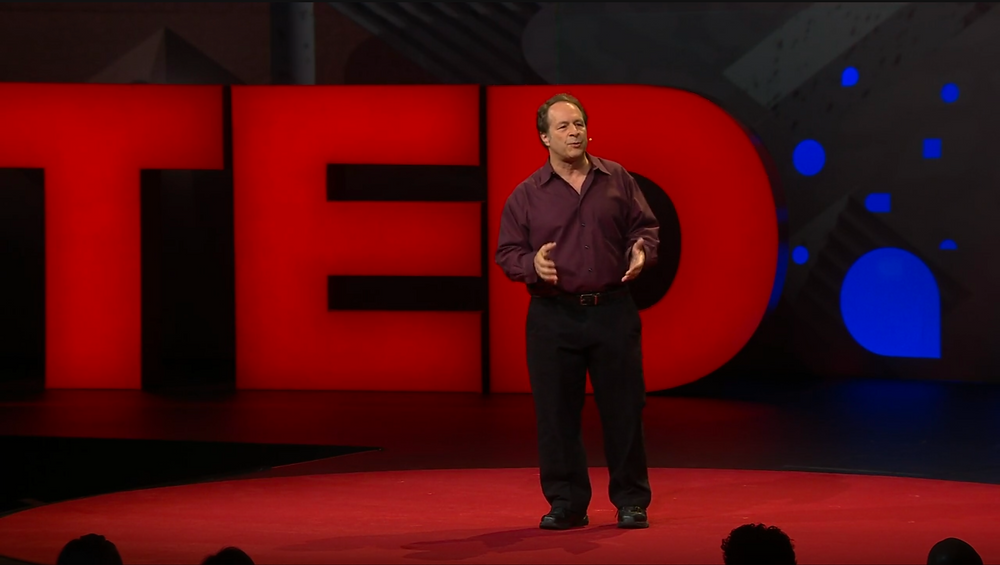
As a licensed psychotherapist in California, I’m deeply invested in exploring innovative, evidence-based approaches to healing. The landscape of mental health is constantly evolving, and few areas are as promising and rapidly developing as psychedelic-assisted therapy. I recently revisited Rick Doblin's TED Talk, which offers a compelling vision for the future of this field, particularly highlighting the nuanced differences in therapeutic approaches, such as the distinction between a ‘sitter model’ and Psychedelic Somatic Interactional Psychotherapy (PSIP). This conversation is highly relevant to those seeking effective trauma and mood disorder treatment, including individuals interested in Ketamine-Assisted Psychotherapy in California.
The Evolving Landscape of Ketamine-Assisted Psychotherapy and Beyond
Rick Doblin, the founder of MAPS (Multidisciplinary Association for Psychedelic Studies), has been a pivotal voice in bringing psychedelic medicine into mainstream therapeutic discourse. His work underscores a critical shift: moving beyond simply administering a psychedelic substance to integrating it within a robust psychotherapeutic framework. This is where the depth and lasting impact truly lie.
What Doblin’s talk brings to light, and what the discussion around PSIP further emphasizes, is the evolution from a more passive, observational 'sitter' model to a deeply interactive and body-centered approach. In the traditional 'sitter' model, the therapist (or sitter) primarily provides a safe container and support, allowing the client to have their internal experience. While valuable, this approach can sometimes leave clients to process intense somatic and emotional material largely on their own, which can be overwhelming or lead to incomplete integration.
Psychedelic Somatic Interactional Psychotherapy (PSIP), on the other hand, is built on the understanding that healing is an active, embodied process. It recognizes that trauma, stress, and emotional pain are not just cognitive experiences; they are deeply imprinted in our nervous system and manifest as physical sensations, postures, and patterns of tension. PSIP intentionally brings the body into the therapeutic process during psychedelic sessions, guiding clients to engage with their somatic experience in real-time. This active engagement helps to unlock and process stored trauma, fostering profound and lasting change.
The Somatic Bridge: Listening to What the Body Knows
From my perspective as a somatic therapist in California, this evolution towards interactive, body-centered psychedelic therapy like PSIP is incredibly exciting and aligns perfectly with the principles of Sensorimotor Psychotherapy that inform my practice. What I notice with clients, especially those grappling with complex trauma, is that their stories don't just live in their minds; they live in their bodies. The 'felt sense' of anxiety in the chest, the chronic tension in the shoulders, the sense of being 'stuck' or frozen – these are all somatic expressions of unresolved experiences.
When the nervous system has been overwhelmed by trauma, it often creates protective patterns that limit our capacity for connection, joy, and regulation. Traditional talk therapy, while important, can sometimes bypass these deeply ingrained bodily defenses. This is where the power of a somatic approach, especially when integrated with modalities like Ketamine-Assisted Psychotherapy, truly shines.
In my practice, whether through Sensorimotor Psychotherapy or KAP, the goal is always to help clients re-establish a healthy, compassionate relationship with their own bodies. When the body holds the echoes of past pain, Sensorimotor work invites us to gently lean into those sensations, to understand their messages, and to complete the physiological actions that were interrupted during a traumatic event. Psychedelic compounds, when used therapeutically and with proper preparation and integration, can sometimes create a window of opportunity, temporarily softening these defenses and allowing access to deeper, more primal layers of experience held within the body. This can facilitate a more direct, embodied processing of trauma, rather than just talking about it.
This isn't about forcing an experience, but about carefully tuning into the body's innate wisdom and allowing it to guide the healing process. It's about recognizing that true integration involves not just cognitive understanding, but also a profound shift in the body's felt sense of safety and self. The intentional interaction in PSIP, for example, helps ensure that these somatic releases are guided and held, preventing re-traumatization and fostering genuine resolution.
Moving Forward with Care and Intention
The future of psychedelic-assisted psychotherapy is undoubtedly bright, offering hope for many who have found traditional treatments insufficient. However, it's crucial that this progress is met with thoughtful, ethical, and clinically sound practices. The emphasis on interaction, somatic awareness, and deep integration, as highlighted by the distinction between sitter models and PSIP, underscores the importance of skilled, trauma-informed therapists in guiding these powerful experiences.
For anyone considering these innovative therapies, understanding the nuances of different approaches and ensuring that the therapeutic model prioritizes embodied processing and nervous system regulation is key. It’s about more than just the medicine; it’s about the informed, compassionate presence and the skillful guidance that helps you navigate your inner landscape towards profound healing.
If you're curious about how a body-centered approach can support your healing journey or if you're exploring the possibilities of Ketamine-Assisted Psychotherapy, I invite you to connect. Healing is a process of discovery, and you don't have to navigate it alone. You can learn more about my approach and schedule a complimentary 15-minute consultation to see if we're a good fit at bodymeetmind.com.
For those interested in delving deeper into these topics, I encourage you to explore more posts on ketamine assisted therapy on my blog.
—
This post was inspired by the article "The Future of Psychedelic Assisted Psychotherapy - TED Talk". Click the link to read the full original article.