

Exploring Psychedelic Therapy: The Foundational Role of Ketamine-Assisted Psychotherapy

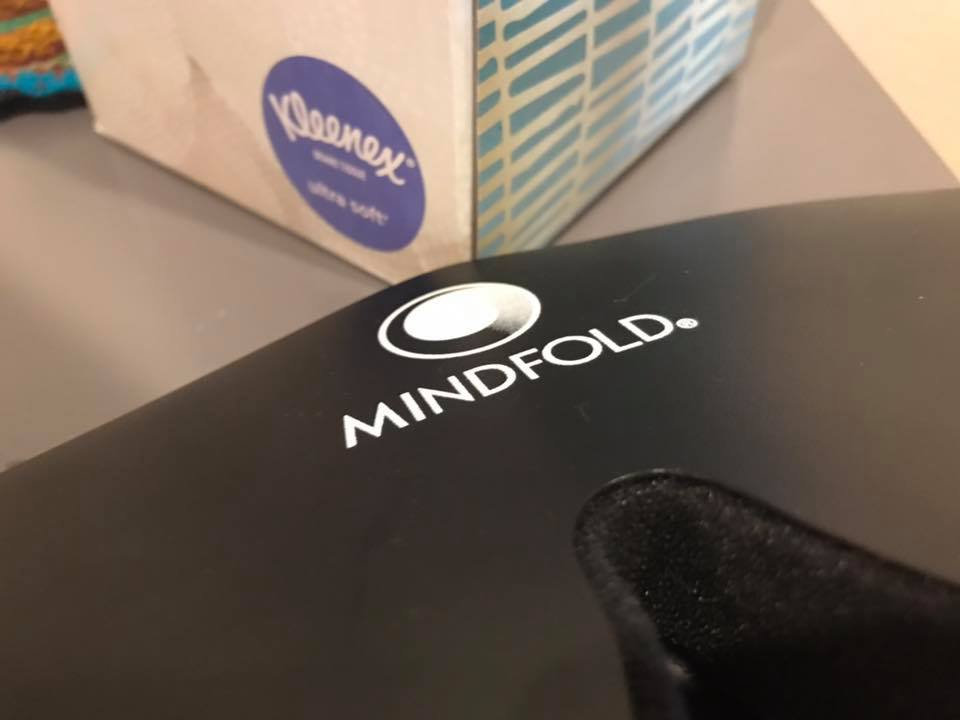
As a licensed psychotherapist here in California, I'm always drawn to conversations that deepen our understanding of healing modalities, especially those that engage the profound connection between mind and body. The recent article on psilocybin mushroom therapy offers such a rich perspective, highlighting the nuanced journey of psychedelic healing and the critical importance of readiness and therapeutic container.
What truly resonated with me from this piece is the idea that some psychedelic medicines, like psilocybin, are considered 'advanced' treatments, requiring a foundational level of nervous system integrity and psychological readiness. This brings me to a modality I work with extensively: Ketamine-Assisted Psychotherapy (KAP). The article eloquently positions treatments like MDMA and cannabis-assisted therapy as vital stepping stones that prepare the system for deeper work, and in my practice, I see Ketamine-Assisted Psychotherapy playing a similar, crucial role in building that essential groundwork.
The Nuance of Psychedelic Healing: Ketamine-Assisted Psychotherapy and Beyond
The article makes a powerful case for the intentionality behind psychedelic work, emphasizing that 'set and setting' are paramount. This isn't just about where you are physically, but also your internal state, your intentions, and the quality of the therapeutic support surrounding you. In my work, whether it's through KAP or somatic trauma therapy, creating a safe, contained space is the absolute bedrock. Without it, the deepest healing simply isn't accessible. Our systems are wired for safety, and when that sense of security is compromised, our defenses stay active, limiting our capacity for profound insight and integration.
One of the most striking points the article makes is about internal readiness, specifically concerning dissociation. It suggests that if dissociation is a significant part of one's protective structure, psilocybin might not be the ideal entry point. Instead, other medicines like MDMA or cannabis are proposed for their ability to gently 'crack' through this numbing, allowing for the processing of early, pre-verbal events. This is where the wisdom of the body, and somatic work, becomes incredibly relevant.
The Body's Role in Preparing for Deeper Journeys
From a somatic perspective, dissociation is our nervous system's ingenious way of protecting us from overwhelming experiences. When events are too much to process, our body and mind can effectively 'numb out' or disconnect. While this is a brilliant survival mechanism, it can also keep us stuck, preventing us from fully engaging with our present lives and from integrating past traumas.
In my practice as a trauma-informed therapist, I often see how this embodied dissociation manifests. It can be a subtle sense of not fully being present, a feeling of 'fogginess,' or a more profound disconnect from emotions and bodily sensations. When the article speaks of building 'ego and nervous system integrity' and establishing 'somatic pathways for processing very intense emotional charge,' it's speaking directly to the core of what somatic nervous-system work aims to achieve. Before we can dive into the profound depths that medicines like psilocybin can offer, our nervous system needs to learn how to tolerate intense sensation and emotion, how to oscillate between activation and calm, and how to stay present with uncomfortable truths.
KAP, in many ways, helps to gently dissolve some of these rigid dissociative barriers, not by forcing them, but by creating a window of opportunity for new perspectives and emotional processing. The ketamine experience can offer a temporary reprieve from habitual thought patterns and emotional numbness, allowing for a felt sense of connection and openness. During the integration phases, we then work to anchor these insights and felt experiences into the body, building that very nervous system capacity the article describes as essential for deeper psychedelic work.
What I've observed with clients is that by carefully navigating these foundational stages—learning to track their internal landscape, developing skills for nervous system regulation, and gently exploring their dissociative patterns—they become more embodied and resilient. This preparation isn't about 'fixing' something broken, but about strengthening the inherent wisdom and capacity already present within the system. It's about helping the body remember how to be present, how to feel, and how to integrate difficult experiences, making it truly available for the 'fuller contact with being' that more advanced psychedelics beckon.
The journey of healing is rarely a straight line, and as the article reminds us, there are no magic pills. It's an intricate, personal process that unfolds with intention, patience, and the right support. Approaching any psychedelic medicine with respect for its power and an understanding of your own readiness is key. It's about honoring the intelligence of your own system and meeting it where it is, rather than pushing it to where you think it 'should' be.
If you're curious about how a mindful, body-centered approach to healing, including Ketamine-Assisted Psychotherapy, might support your journey, I invite you to explore further. You can find more posts on ketamine assisted therapy on my blog. Taking that first step can feel significant, and I’m here to offer a warm, grounded space for exploration. I encourage you to book a free 15-minute consultation to see if my approach resonates with what you're seeking.
—
This post was inspired by the article "Psilocybin Mushroom Therapy (part 2)". Click the link to read the full original article.


