
Beyond Words: How the Therapy Room, Objects, and Embodied Moments Show Us How Sensorimotor Psychotherapy Works

As a somatic therapist, I've always held a deep appreciation for the subtle yet profound ways our environment influences our inner world. We often think of therapy as a conversation, a meeting of minds, but what if the very space we inhabit, the objects within it, and the unexpected moments that unfold, become powerful allies in the healing process? This is a question beautifully explored in a recent article from Psychotherapy Networker, "When the Room Becomes Your Co-therapist," which deeply resonates with my understanding of how Sensorimotor Psychotherapy works and the integrative mental health approach I bring to my practice.
The article highlights how the therapy room is far from neutral; it's a living system where early relational patterns, internal states, and interpersonal dynamics can reappear in symbolic or embodied forms. What I've seen in my work with clients, and what the article so eloquently illustrates, is that when we're open to these emergent moments – these unexpected gifts from the present – profound shifts can occur that words alone might never reach.
Understanding How Sensorimotor Psychotherapy Works Through Embodied Experience
The principles of how Sensorimotor Psychotherapy works are deeply rooted in the wisdom of the body and the nervous system. It's about helping clients become aware of their 'felt sense' – the physical sensations, movements, and postures that accompany their emotional states and memories. The article offers three compelling vignettes that perfectly demonstrate this:
The Possum and the Phoenix: Unconscious Choices Revealing Inner Conflict
One client, Yayla, unconsciously chose a stuffed possum and phoenix to represent her core coping strategies: 'play dead' (collapse) or 'burn everything down' (fight). This isn't just a metaphor; it's an embodied expression of a nervous system stuck between two extreme survival responses. In my somatic practice, I see this land in the body as a constricted breath, a frozen posture, or a restless agitation. From a Sensorimotor Psychotherapy lens, these objects become externalized representations of internal parts, allowing the client to literally hold and observe their conflict from a new perspective. This act of externalization, facilitated by the environment, creates a safe distance, making it possible to ask: "What if there are other possibilities?" The body, through its interaction with the objects, begins to explore new pathways beyond its habitual, often traumatic, responses.
The Dumbbell: Embracing Resistance as a Path to Agency
Another client, Nyck, struggling with despair and resistance, chose to hold a 10-pound dumbbell instead of a stuffed animal. The therapist's brilliant move to engage in a physical enactment – trying to take the dumbbell – transformed resistance from an obstacle into a source of felt strength and agency. This is quintessential somatic work. Resistance, often seen as a problem, is reframed as a protective strategy that holds immense energy. Rather than intellectualizing or pathologizing it, the body is invited to experience its power. When Nyck eventually put the dumbbell down, it wasn't because they were convinced by words, but because their body had experienced its own strength and choice. This embodied experience of agency is crucial for nervous system regulation, moving from a sense of helplessness to empowerment. It's a direct lesson in how Sensorimotor Psychotherapy works, by engaging the body's implicit wisdom.
The Hornet: Corrective Emotional Experience in Real-Time
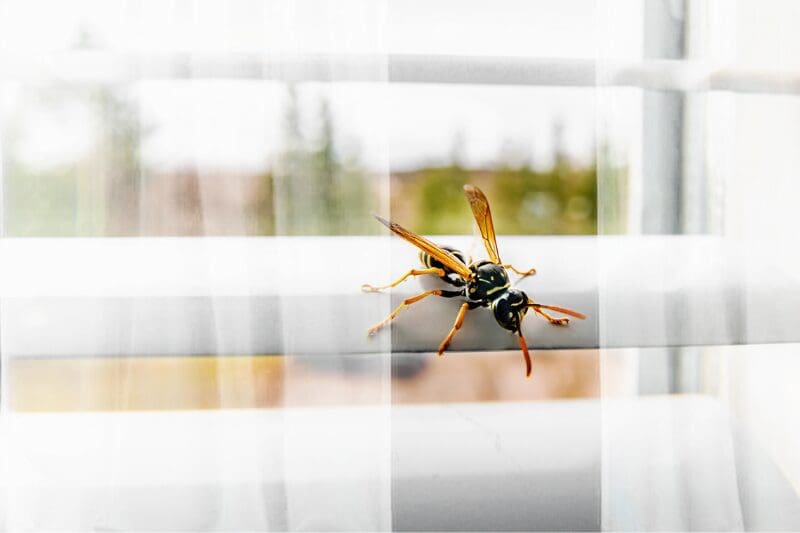
Perhaps the most striking example is the hornet that flew into the room just as Cassandra was discussing a past violation. The therapist's swift, protective action – removing the hornet – provided a real-time, embodied corrective experience. "This is what should have happened. The responsible adult should have protected you by ejecting the intruder." For someone who experienced deep neglect and violation, this wasn't just a symbolic act; it was a visceral experience of safety and protection. The nervous system, which had learned to be hypervigilant and unprotected, received new, tangible information. This kind of spontaneous enactment, where the environment conspires with the therapeutic process, can be incredibly powerful in reorganizing deeply held traumatic imprints in the body.
What I notice with clients is that when the body holds unresolved trauma, it often manifests as a persistent sense of threat, a lack of safety, or an inability to fully inhabit one's own skin. When the environment, the therapist, and the client's own embodied responses align, as these examples show, it creates a unique opportunity for profound healing. These moments aren't manufactured; they are met with openness and attunement, allowing the vast relational field between client, therapist, and environment to facilitate genuine repair.
In my practice, whether through my approach to somatic therapy, Ketamine-Assisted Psychotherapy, or Gottman Method couples work, I'm always attuned to these somatic cues and environmental synchronicity. Healing is not just a cognitive process; it's an embodied one, where the body's innate capacity for self-regulation and repair can be awakened through mindful presence and skilled intervention.
What emergent moments have you noticed in your own life that offered unexpected insight or healing? How does your environment speak to you?
If you're curious about exploring these deeper, embodied pathways to healing, I invite you to connect. Discover more about an integrative approach to mental well-being and schedule a complimentary 15-minute consultation at bodymeetmind.com.
—
This post was inspired by the article "When the Room Becomes Your Co-therapist". Click the link to read the full original article.