
Beyond Tears & Worry: Understanding Postpartum Rage as a Sign of Anxiety

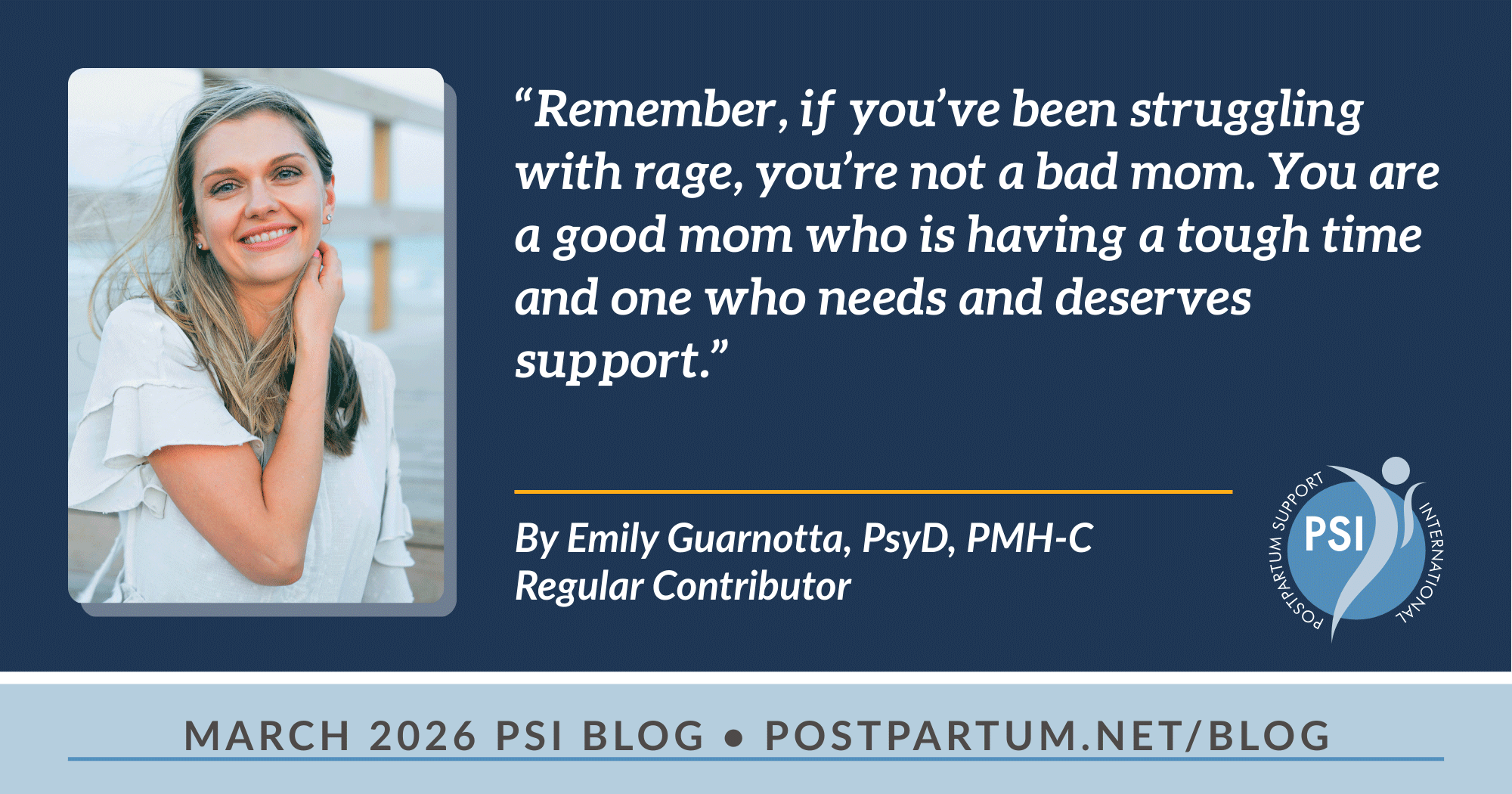
The journey into parenthood, while often painted with images of serene joy, can sometimes bring forth emotions we never anticipated. One of the most disorienting, and often hidden, is postpartum rage. If you’ve found yourself feeling a sudden, intense surge of anger—a hot flash of frustration that feels like going from 0 to 100 in an instant—you are not alone. What I’ve witnessed in my practice, and what deeply resonates with the insights from Emily Guarnotta’s article on Postpartum.net, is that this isn't a flaw in your character. It’s often a powerful, yet misunderstood, signal from your nervous system.
The Unseen Face of Postpartum Anxiety
Many of us are familiar with the concepts of postpartum depression and anxiety, often picturing sadness, crying, or persistent worry. But rage? That’s rarely discussed, leaving countless new parents to suffer in silence, questioning, “What is wrong with me? Am I a monster?” It's a profound relief to understand that this intense anger, often referred to as postpartum rage, is a very real, and frequently overlooked, symptom of postpartum anxiety (PPA).
In my work with individuals and couples navigating the complexities of new parenthood, I often see how this 'fight' response emerges when the body feels overwhelmed and unsafe. It's not a standalone diagnosis, but rather a manifestation of a nervous system pushed to its limits.
Your Nervous System in Overdrive
At the heart of postpartum rage is a nervous system that’s stuck in survival mode. Imagine your amygdala—the part of your brain responsible for sensing danger—on high alert, constantly scanning for threats. Historically, this response was crucial for protecting our offspring from literal predators. Today, as the article so aptly puts it, our 'tigers' might be a sink full of dishes, a partner forgetting diapers, or the relentless cries of a baby.
When your baseline stress levels are already elevated due to anxiety, sleep deprivation, and the immense demands of new parenthood, these everyday stressors can feel like genuine attacks. Your body floods with adrenaline and cortisol, preparing you to fight, flee, freeze, or even fawn. Rage, in this context, is a powerful 'fight' response—an attempt by your body to control an environment it perceives as threatening, to create safety where it feels none. It’s a primal, embodied reaction, not a conscious choice to be angry.
Unpacking the Triggers
The article highlights key triggers that I consistently see in my clients, and they speak volumes about the pressure new parents face:
• Sensory Overload: The constant touching, the smells, the sounds (especially a baby’s cry, which is biologically designed to grab your attention) can overwhelm an already sensitized nervous system. When every input feels urgent, the smallest additional sensory stimulus can feel like the 'last straw.' Your body is trying to scream for space and quiet.
• Lack of Support & The Invisible Load: Motherhood often comes with an 'invisible load'—a relentless mental checklist of tasks, appointments, and household needs. When this burden is carried without adequate support, compounded by sleep deprivation and isolation, it can quickly breed irritability, resentment, and, yes, rage. This isn't just about physical help; it's about emotional connection and feeling seen.
Breaking the Shame Cycle
One of the most heartbreaking aspects of postpartum rage is the vicious cycle of shame it often creates. An outburst is followed by intense self-blame, leading to increased anxiety, disrupted sleep, and ultimately, a nervous system that's even more prone to reactivity. This cycle reinforces the idea that something is inherently wrong with you.
But here’s the truth: shaming yourself doesn't help. Understanding that rage stems from a dysregulated nervous system is the first step toward compassion and healing. It allows us to shift from asking, “What’s wrong with me?” to “What does my nervous system need right now?”
Cultivating Regulation and Resilience
Healing from postpartum rage isn't about suppressing anger; it's about learning to listen to what your body is trying to communicate and inviting regulation back into your system. As a somatic trauma therapist, I believe deeply in the body’s innate wisdom and its capacity for healing. While I can't offer specific clinical advice here, the article provides wonderful, accessible starting points for nervous system regulation:
1. Creating Space: When you feel that surge, even a brief moment away from the situation—placing your baby safely in their crib and stepping into another room for a few deep, intentional breaths—can create a crucial pause. This isn't avoidance; it's giving your nervous system a chance to downshift. 2. Polyvagal Practices: Simple exercises that engage your vagus nerve can be incredibly powerful. Splashing cold water on your face, humming, or gently orienting yourself to your surroundings can signal safety to your brain and body, shifting you out of that fight response. 3. Addressing the Root: Ultimately, if rage and anxiety are impacting your life, exploring the underlying causes with a professional is key. In my practice, using modalities like Somatic Experiencing®, Sensorimotor Psychotherapy, and Ketamine-Assisted Psychotherapy (KAP) can help process trauma, regulate the nervous system, and build new, more adaptive coping responses. For couples, the Gottman Method can help bridge communication gaps and build a stronger support system.
Remember, experiencing postpartum rage doesn't make you a 'bad' parent. It means you're a human being navigating immense challenges, and your body is calling for help. You deserve support, understanding, and the tools to find your way back to a felt sense of calm and connection.
If any of this resonates with your experience, I invite you to explore how somatic and integrative approaches can support your journey. You can book a free 15-minute consultation at bodymeetmind.com.