

AI in Therapy: Can a Chatbot Truly Understand Your Nervous System?
- Celine Paganini
- Apr 13
- 3 min read

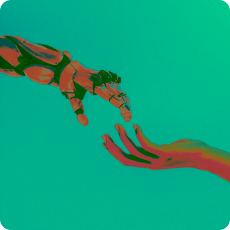
The landscape of mental health support is continually evolving, and lately, one of the most fascinating conversations revolves around Artificial Intelligence. I've noticed it in my own practice: clients sharing insights they've gleaned from AI chatbots like ChatGPT, Woebot, or Wysa. It’s a compelling development, and it raises a profound question: Can AI truly be your therapist?
I understand the allure. In our fast-paced world, where waitlists for therapists can feel endless and the cost of care can be a significant barrier, the promise of 24/7, non-judgmental, low-cost support is incredibly tempting. It’s no wonder people are turning to these tools for everything from venting everyday frustrations to seeking coping strategies for anxiety. And to be clear, there's real value here. As the article from GoodTherapy.org, "Can AI Be Your Therapist? The Truth About AI Mental Health," explores, AI can be a fantastic resource for delivering consistent Cognitive Behavioral Therapy (CBT) scripts, assisting with mood tracking, or helping you organize your thoughts for a session. For some, it can even be a gentle entry point into exploring their mental health, especially if they're hesitant to open up to a human.
The Unspoken Language: Why Human Connection Matters Most
Yet, as a therapist specializing in somatic trauma therapy, Ketamine-Assisted Psychotherapy (KAP), and Gottman Method couples therapy, I see a crucial distinction. While AI can process information and generate responses, it fundamentally misses the core of what makes true healing possible: the relationship and the embodied experience.
Think about it: therapy isn't just about exchanging words. It's a dance of subtle cues, felt senses, and unspoken emotions. When you sit with a human therapist, they're not just listening to your words; they're attuned to your breath, the slight shift in your posture, the tremor in your voice, the way your nervous system subtly communicates distress or ease. This is what we call "reading the room" – sensing the emotional landscape that AI, no matter how advanced, simply cannot detect.
Holding Space for Your Whole Self
In my work, particularly with trauma, we're often working with experiences that are pre-verbal, stored in the body's memory rather than just the mind. Somatic therapy, for example, is all about gently bringing awareness to these bodily sensations, allowing the nervous system to process and release old patterns of protection. Ketamine-Assisted Psychotherapy creates a unique space for profound inner exploration, where the presence of a grounded, compassionate human guide is essential to integrate the experience safely and effectively. These aren't processes that can be facilitated by an algorithm.
AI is programmed to fill silences, to provide answers. But often, the most profound healing happens in the pauses, in the moments of quiet reflection, in the shared space where a human therapist can simply be with you without judgment, allowing something new to emerge. This is where attunement – that deep, empathetic resonance between two people – truly comes alive. A therapist doesn't just listen; they feel with you, offering a co-regulating presence that helps your nervous system feel safe enough to open and heal.
AI as a Thoughtful Supplement, Not a Sole Guide
This isn't to say we should dismiss AI entirely. The GoodTherapy.org article rightly points out that AI can be a valuable supplement. It can help you track your moods between sessions, organize your thoughts before coming to therapy, or even practice specific CBT skills. When used intentionally, it can enhance your therapeutic journey. But it cannot replace the depth, complexity, and safety of a genuine human connection.
True healing, especially from complex trauma, often involves relational repair. It's about experiencing safety and understanding in the presence of another person, which helps re-wire old patterns of disconnection and fear. This is an inherently human process.
What are you truly craving?
If you've been curious about AI therapy, I encourage you to explore it. Notice what it offers and, perhaps more importantly, what feels missing. If you find yourself craving deeper connection, a truly safe space to unravel the complexities of your nervous system, or a relationship where your whole, complicated self is seen and held with compassion, then that's where human-centered therapy steps in.
In my practice, I believe in integrating evidence-based approaches with a holistic understanding of mind, body, and spirit. It's about creating a space where you can feel truly understood, allowing your innate capacity for healing to emerge. If you're ready to explore that kind of embodied, relational journey, I invite you to learn more.
Ready to explore a path of embodied healing and genuine connection? You can book a free 15-minute consultation at bodymeetmind.com. I look forward to connecting with you.
—
This post was inspired by the article "Can AI Be Your Therapist? The Truth About AI Mental Health". Click the link to read the full original article.


