

Understanding Your Body's Language: A Somatic Therapist's View on Somatic Symptoms

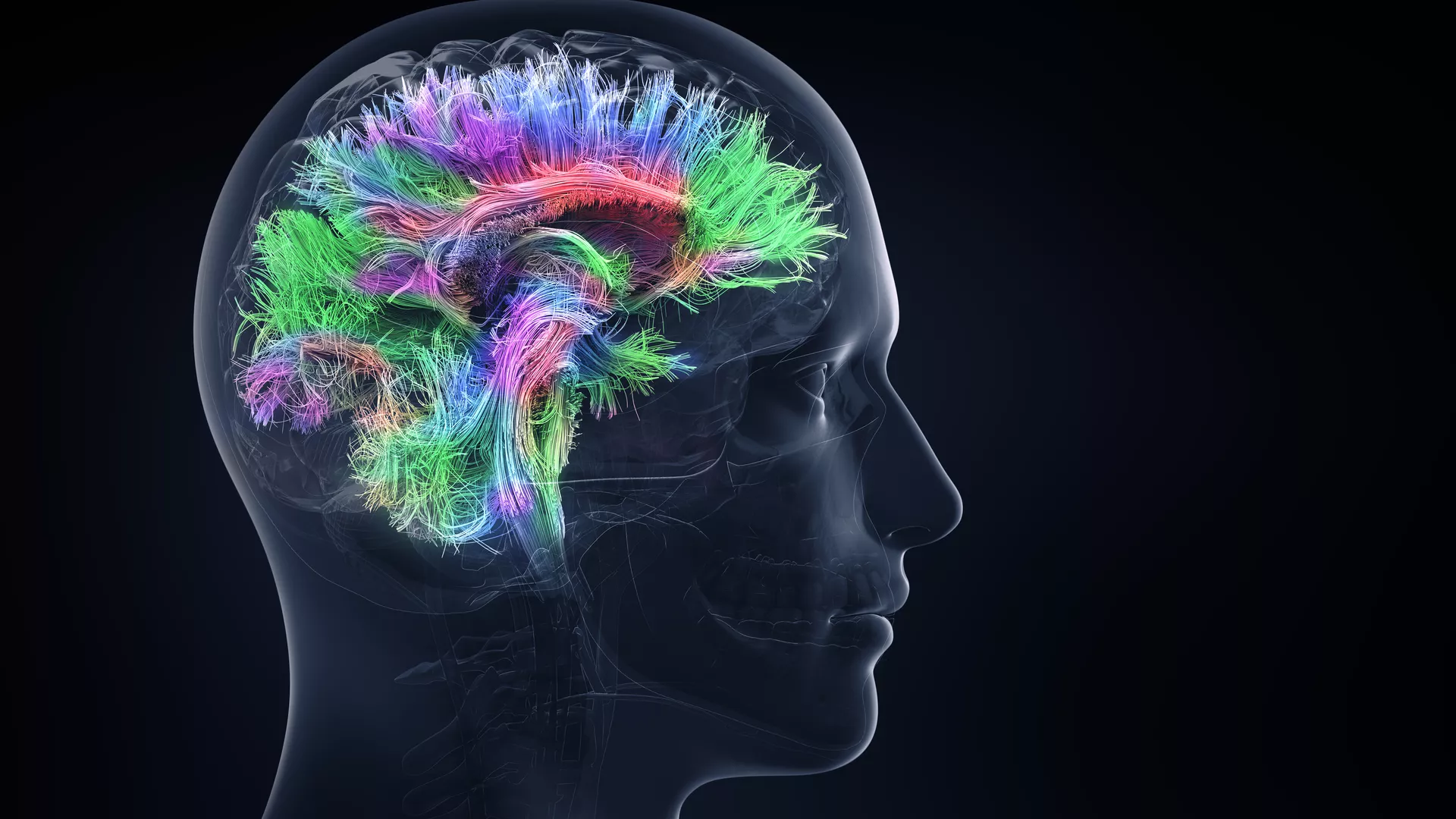
As a somatic therapist in California, I often witness the profound ways our bodies communicate what words sometimes cannot. We live in a world that often prioritizes the mind, leading us to overlook the wisdom held within our physical experience. This is why I found a recent study on the Somatic Symptom Scale-8 (SSS-8) so compelling, offering valuable insights into how we measure and understand somatic symptom burden.
The research, published in Frontiers in Psychiatry, provides an updated psychometric evaluation and population norms for the SSS-8, a brief self-report tool for assessing somatic symptoms like gastrointestinal issues, pain, cardiopulmonary complaints, and fatigue. What truly caught my attention was the finding that somatic symptom burden has significantly increased in the general population between 2012 and 2021. This isn't just a statistical shift; it reflects a tangible rise in how many people are experiencing physical discomfort and distress that warrants attention.
What a Somatic Therapist Notices About Somatic Symptom Burden
From my perspective as a somatic therapist, these findings underscore something I see daily in my practice: the body keeps the score. When we talk about "somatic symptom burden," we're not just discussing isolated physical complaints. We're touching on the intricate interplay between our mental, emotional, and physical states. The study highlights that these somatic symptoms predict healthcare utilization even independently of depression and anxiety, emphasizing that the body's signals are distinct and powerful.
In my work, I believe that physical symptoms, even those medically unexplained, are often intelligent communications from our nervous system. They can be echoes of past stress, trauma, or unexpressed emotions seeking resolution. For example, persistent headaches, mentioned in the study as a significant area of difference across demographics, might be more than just a physical ache; they could be a chronic tension pattern held in the body, a manifestation of accumulated stress or a fight-flight response that never fully completed its cycle. This is where the nuanced approach of a virtual somatic therapy across California can be so transformative.
The Body's Story: Beyond Diagnosis
The SSS-8 helps us quantify symptoms, but a holistic approach, like the one I offer through Sensorimotor Psychotherapy, invites us to explore the story behind those symptoms. What does that persistent fatigue feel like in your body? Where does the chest pain reside, and what sensations accompany it? Instead of viewing these as merely problems to be eradicated, we can approach them as messengers, offering clues to deeper patterns of nervous system dysregulation or unresolved experiences.
When the body consistently experiences symptoms like chronic pain, digestive issues, or fatigue, it's often a sign that the nervous system is stuck in a state of overwhelm or shutdown. Traditional approaches might focus on symptom management, which can be helpful, but somatic work goes further. It helps clients develop a greater awareness of their internal landscape, learn to track subtle bodily sensations, and gently process the underlying emotional and physiological material contributing to their symptoms. This process supports profound nervous system regulation and can lead to a reduction in symptom burden, not just through coping, but through true integration and healing.
The study also notes that women reported higher somatic symptom levels than men, particularly for headaches and gastrointestinal problems. This isn't surprising, given the complex interplay of hormonal factors, societal pressures, and often, a greater societal permission for women to express distress somatically. Understanding these differences is crucial for offering truly inclusive and effective care.
Embracing Embodied Healing
The significant increase in somatic symptoms over the past decade, as reported in this study, isn't just a number. It's a call for us to pay closer attention to our embodied experience. It reinforces the urgent need for therapeutic approaches that honor the mind-body connection and help individuals move beyond intellectual understanding to felt-sense resolution.
In my practice, whether through Ketamine-Assisted Psychotherapy (KAP) to access deeper states of processing, or through the grounded, gentle work of Sensorimotor Psychotherapy, the goal is always to help you listen to what your body already knows. By tuning into these signals, we can unlock profound healing and cultivate a more resilient, embodied sense of self. It's about transforming your relationship with your body, from one of struggle to one of partnership and peace.
If you're experiencing persistent physical symptoms and are curious about how a body-centered approach can support your well-being, I invite you to explore the possibilities. You can learn more about my approach to somatic healing and integrative mental health on my website.
—
This post was inspired by the article "Psychometric evaluation and community norms of the Somatic Symptom Scale-8 based on a representative German sample". Click the link to read the full original article.


