

The Embodied Therapist: Cultivating Confidence Through Nervous System Regulation
- Celine Paganini
- May 27
- 4 min read

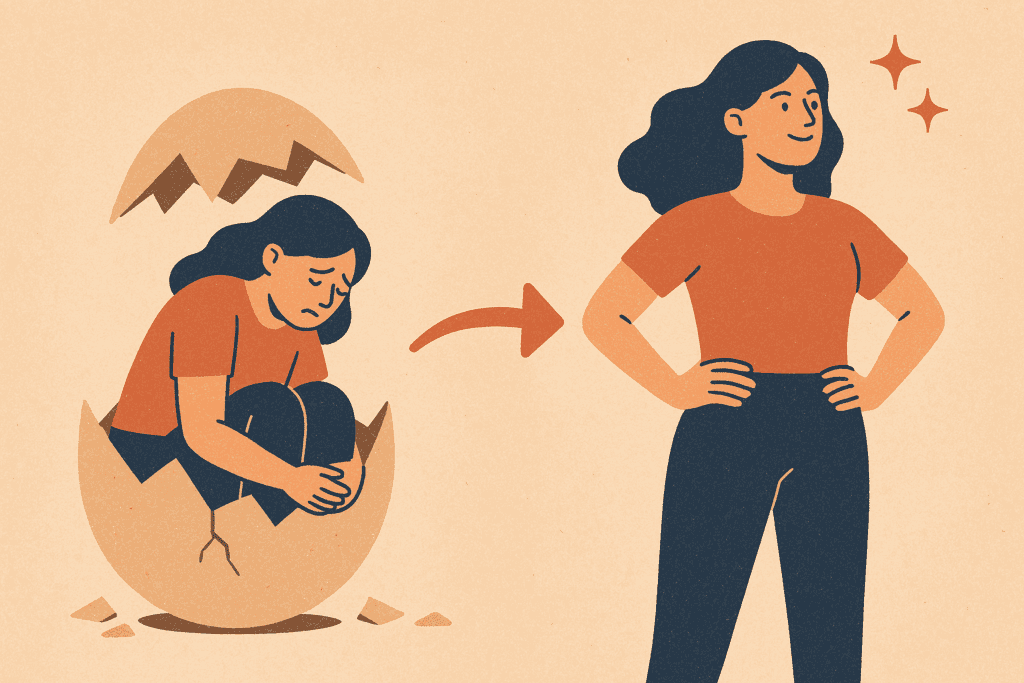
The path to becoming a therapist is a profound one, filled with deep learning, introspection, and an unwavering commitment to supporting others. Yet, as Aimee Hubbard beautifully explores in her article "Becoming a Confident Therapist," even after years of training and experience, many of us still grapple with self-doubt and the inherent uncertainties of our work. What if true confidence isn't about mastering every technique, but about cultivating a deeply rooted, embodied presence? This is where the wisdom of nervous system regulation therapy offers a powerful lens, not just for our clients, but for us as practitioners.
In my practice, I often encounter fellow clinicians who, despite their credentials and dedication, share a common thread of feeling adrift or unsure. Hubbard's piece resonates deeply with this experience, highlighting that confidence isn't a fixed trait, but an ongoing orientation toward the unknown. It’s a journey I understand intimately, and one that often asks us to look inward, not just at our techniques, but at how we show up in the therapeutic space.
The Foundational Role of Nervous System Regulation
Hubbard shares the insights of two seasoned therapists, Bill Doherty and Sabrina N’Diaye, whose wisdom points to a different kind of confidence. Doherty speaks of "showing up" and focusing on the process rather than solely on outcomes, reminding us that "human behavior is the product of many weak forces." This isn't about indifference to client progress, but about being present and authentic in the moment. From a somatic perspective, this "showing up" is profoundly tied to our own nervous system state. When we are dysregulated, our capacity for genuine presence, for holding complexity, and for trusting the process diminishes. Our own internal state, often unconsciously, communicates volumes to our clients.
What I notice with clients, and in my own journey as a therapist, is that true presence—the ability to be fully with another, even in intense moments—stems from a foundational sense of internal regulation. When our nervous system is settled, we can tolerate more ambiguity, respond flexibly, and remain grounded amidst the emotional currents of a session. This is the essence of somatic nervous-system work, and it's just as vital for the practitioner as it is for the person seeking support.
Non-Negotiable Presence: An Embodied Boundary
Sabrina N’Diaye’s concept of "non-negotiable confidence" struck a chord with me. She frames her confidence not as bravado, but as a boundary—a deep, embodied knowing of her worth that allows her to engage collaboratively without self-erasure. This isn't just a cognitive belief; it's a felt sense of self-respect that emanates from within. When her mother's words of self-love "got embedded in me," N'Diaye describes a powerful internal resource that became a core part of her identity. This is a beautiful example of how affirmations, when truly internalized, become somatic experiences, shaping our posture, our voice, and our energetic presence.
In my work with trauma, I often see how early experiences can strip away this innate sense of "non-negotiable confidence," leaving individuals with a nervous system attuned to threat and self-doubt. N'Diaye's journey reminds us that reclaiming this confidence involves not just intellectual understanding, but a deep, embodied reconnection to our inherent value, often through practices that foster safety and regulation within the body. It’s about cultivating an internal anchor that allows us to hold messiness without rigidity, to experience intense emotions without being overwhelmed.
Holding Complexity: The Body's Wisdom
The article's reflection on "holding complexity" – the idea that two conflicting things can be true simultaneously – is another area where our nervous system plays a critical role. Our natural human tendency, especially when dysregulated, is to seek certainty and closure, to resolve tension. But as therapists, we are often called to sit in the tension, to hold the "not knowing" with our clients. Hubbard’s own experience of her "heart stopped" and her "chest tighten" when speaking a difficult truth in a session perfectly illustrates how the body reacts to perceived risk or conflict.
This is where my training in Sensorimotor Psychotherapy and other somatic modalities becomes invaluable. We learn to notice these bodily sensations—the tightening chest, the racing heart—not as problems to be fixed, but as information. By gently attuning to these somatic experiences, we can help our nervous systems stay online, allowing us to respond thoughtfully rather than reactively. It's about expanding our capacity to tolerate discomfort, both our own and our clients', so we can truly be present for the transformative work.
Cultivating confidence as a therapist is not about achieving perfection or eradicating uncertainty. It’s about developing a profound relationship with ourselves, rooted in embodied self-awareness and nervous system regulation. It’s about trusting that our authentic presence, combined with our skills and compassion, is often the most potent healing force we can offer. It's an ongoing practice of returning to ourselves, moment by moment, and allowing our deeper wisdom to guide us.
To learn more about how a body-centered approach can support your mental well-being, explore more posts on mental health.
If you’re curious about how these principles might apply to your own life and well-being, I invite you to schedule a free 15-minute consultation at bodymeetmind.com.
—
This post was inspired by the article "Becoming a Confident Therapist". Click the link to read the full original article.


