
Food Cravings as a Somatic Compass: Navigating Your Nervous System with Embodied Wisdom

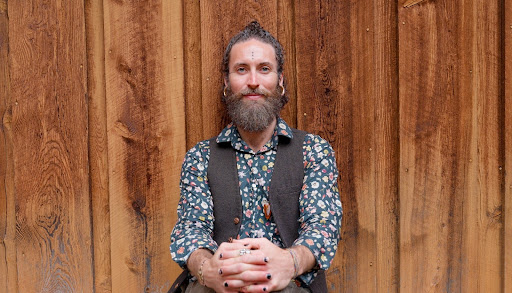
As a somatic trauma therapist, I'm always fascinated by how our bodies communicate with us, often in ways we're not consciously aware of. The idea that something as everyday as a food craving could be a profound message from our inner world is incredibly compelling. I was recently inspired by Luis Mojica's session on "Food Therapy: Use Cravings As A Somatic Compass To Discover Your Unmet Needs" from the Trauma Research Foundation, which beautifully articulates how our relationship with food is deeply intertwined with our emotional landscape and, crucially, our nervous system regulation therapy journey.
Understanding Your Nervous System Through Cravings
Mojica's work highlights a truth I see daily in my practice: food isn't just fuel; it's often our earliest form of comfort. As infants, it was the first thing that soothed us, creating a foundational link between nourishment and safety. This early programming means that when we experience stress, discomfort, or unmet needs later in life, our bodies might instinctively reach for food as a way to self-regulate, even if we're not consciously hungry. What if those intense desires for something sweet, salty, or crunchy aren't just about taste, but about a deeper longing for comfort, safety, or even stimulation to shift a dysregulated nervous system state?
From a somatic perspective, this makes perfect sense. Our bodies are constantly trying to maintain balance, a state of homeostasis. When we're experiencing internal unease – be it anxiety, loneliness, boredom, or the lingering echoes of past trauma – our nervous system sends out signals. Sometimes these signals manifest as a "felt sense" of agitation, emptiness, or tension. And sometimes, they present as a powerful, almost undeniable, craving for a specific food.
The Somatic Wisdom of Your Appetite
What Luis Mojica and other embodied nutrition experts invite us to do is to shift from judging these cravings to listening to them. Instead of seeing a craving as a weakness or a sign of poor discipline, what if we approached it with curiosity? "What is my body trying to tell me right now?" When I work with clients on their relationship with food, particularly those who struggle with emotional eating or body image concerns, we explore the somatic experience of the craving. Where do you feel it in your body? What is the texture, temperature, intensity? Does it feel like a hollow ache, a buzzing energy, a dense pressure?
This embodied inquiry is a cornerstone of nervous system regulation therapy. When the body holds these intense yearnings, Sensorimotor Psychotherapy invites us to slow down and notice the sensations without judgment. We learn to track the subtle shifts, to understand if the craving is truly about hunger, or if it's a plea from a nervous system seeking grounding, stimulation, or a moment of relief. Often, the food itself isn't the solution, but the act of seeking it, or the sensations it provides, are an attempt to manage an overwhelming internal state.
Cultivating a More Balanced Relationship with Food and Self
Mojica's approach, combining somatic exercises with nutritional wisdom, offers practical ways to engage with these signals. He guides listeners through practices like "Finding the Safety" and "Feeling the Now." These titles alone resonate deeply with the core principles of somatic healing. Learning to find an internal sense of safety, even amidst a craving, is a powerful act of self-regulation. Feeling the now, rather than being swept away by past patterns or future anxieties, allows us to respond to our present needs with greater awareness and choice.
In my practice, helping clients understand their unique patterns of somatic nervous-system work around food involves exploring their personal history, identifying their nervous system's typical responses to stress, and building a toolkit of embodied resources. This isn't about restrictive diets or willpower; it's about developing a profound, compassionate connection to your body's innate intelligence. It's about recognizing that your body isn't working against you; it's always working for you, trying to find balance and communicate unmet needs. For more insights into how the body and mind connect, you might find more posts on mental health helpful.
If you're curious about how a body-centered approach can help you navigate your relationship with food, stress, or trauma, I invite you to explore this path with kindness and curiosity. It's a journey of self-discovery that can lead to profound healing and a more harmonious connection with your embodied self.
Begin Your Embodied Journey
Understanding and responding to your body's unique language can be a transformative process. If you're ready to explore how somatic therapy can support your healing journey, I offer a free 15-minute consultation to see if my approach is the right fit for you.
—
This post was inspired by the article "Food Therapy: Use Cravings As A Somatic Compass To Discover Your Unmet Needs with Luis Mojica". Click the link to read the full original article.