
Finding Ground: The Role of Nervous System Regulation Therapy in Men's Lives

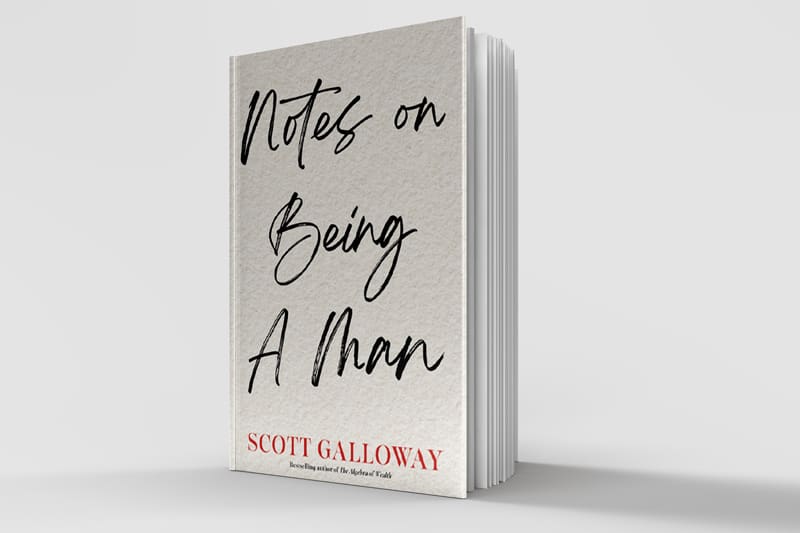
It's always insightful when a non-therapist offers a perspective that resonates deeply with the core of our work. I recently came across a reflection on Scott Galloway's new book, Notes on Being a Man, written by a seasoned psychotherapist. Galloway, a marketing professor, isn't in the mental health space, yet his observations on men's struggles, the need for action, and the importance of connection strike a chord that many of my clients, and indeed, society at large, are grappling with. This piece offers a powerful invitation to consider how we support men in navigating the complexities of modern life, and how nervous system regulation therapy can be a profound tool in that journey.
The therapist reviewing Galloway's book highlights a critical point: young men are struggling. Statistics from the American Psychological Association and Pew Research confirm measurable declines in male educational attainment, workforce participation, relationships, social connection, and mental health. This isn't just an abstract problem; it's a lived reality for so many, manifesting as directionlessness, withdrawal, and a terrifying sense of being adrift. What I often see in my practice is that these struggles aren't just cognitive or emotional; they are deeply embodied, rooted in the nervous system's response to overwhelm, isolation, and societal pressures.
Navigating the Modern Man's Landscape with Nervous System Regulation
Galloway's call for men to embrace agency – the idea that "nobody is coming to save you" – is a powerful one. It speaks to the necessity of taking responsibility for one's path. Yet, for many men, this shift from feeling like a victim of circumstances to an agent of their own life can feel overwhelming, even paralyzing. This isn't a failure of will; it's often a sign that the nervous system is stuck in patterns of freeze or collapse, making it incredibly difficult to initiate action or tolerate the discomfort of change. In my somatic practice, I've observed that when the body is locked in these defensive states, the capacity for choice and forward movement diminishes significantly. Gently exploring and shifting these deeply ingrained patterns through somatic nervous-system work can unlock a profound sense of internal agency.
Another key insight from Galloway is that "action absorbs anxiety." The reviewing therapist agrees, with a crucial caveat: for some, busyness and productivity become a form of avoidance. This resonates deeply with what I witness in my work. When anxiety is present, the nervous system seeks relief. Sometimes, that relief comes from productive action, which can indeed be regulating. But often, it manifests as relentless striving, constant scrolling, or an inability to sit still. This kind of action, while seemingly productive, can actually perpetuate a cycle of nervous system dysregulation, keeping us perpetually activated or numbed out, rather than truly processing and integrating our experiences.
The Embodied Path to Authentic Connection and Presence
This is where the transformative power of nervous system regulation therapy truly shines. Rather than simply doing more, it invites us to first feel more. It’s about cultivating the capacity to be present with the sensations of anxiety, loneliness, or frustration in the body, without judgment or the immediate need to change them. When we learn to gently turn towards these bodily experiences, we give our nervous system a chance to complete its natural cycles of response, leading to genuine shifts in our internal state.
From a Sensorimotor Psychotherapy lens, when the body holds the tension of unexpressed emotions or the weight of isolation, true regulation involves slowing down and noticing what's happening internally. It's about building a compassionate relationship with our inner landscape. This isn't about passivity; it's about building a resilient foundation from which truly intentional and nourishing action can emerge. It's about learning to distinguish between action that's driven by a need to escape discomfort versus action that arises from a place of grounded presence and genuine purpose.
The article also touches on the profound loneliness many men experience and the need for authentic male connection – not as competitors, but as witnesses to life. The therapist's experience with Gestalt Equine Psychotherapy beautifully illustrates this, noting that horses respond to presence, not performance. This mirrors the essence of what I help clients cultivate: the ability to simply be with another, without an agenda, fostering a felt sense of safety and belonging. This capacity for quiet, embodied presence is a hallmark of a well-regulated nervous system, allowing for deeper, more meaningful relationships, and a richer internal life. For more insights on this topic, you might explore more posts on mental health.
In my practice, whether through somatic trauma therapy or Ketamine-Assisted Psychotherapy, I believe in empowering men (and all individuals) to understand and befriend their nervous systems. It's about moving beyond societal scripts and reconnecting with an authentic, embodied self. This journey allows for a more resilient, connected, and deeply fulfilling life.
If you're finding yourself feeling adrift, struggling with anxiety, or seeking a deeper sense of purpose and connection, understanding your nervous system can be a powerful first step. I invite you to explore how an integrative, body-centered approach might support your unique path. To learn more about how we can work together, I offer a free 15-minute consultation at bodymeetmind.com.
—
This post was inspired by the article "Scott Galloway’s Message for Men—Through a Therapist’s Lens". Click the link to read the full original article.