
Developing Somatic Rapport: A Path to Nervous System Regulation Therapy

Have you ever felt a sense of disconnection from parts of yourself? Perhaps a chronic ache, a persistent feeling of numbness, or an overwhelming emotional state that feels separate from who you truly are? It's a common human experience, especially when our systems have learned to cope with stress or past trauma by compartmentalizing. But what if the path to healing and wholeness isn't about fighting these sensations, but rather meeting them with presence and gentle curiosity?
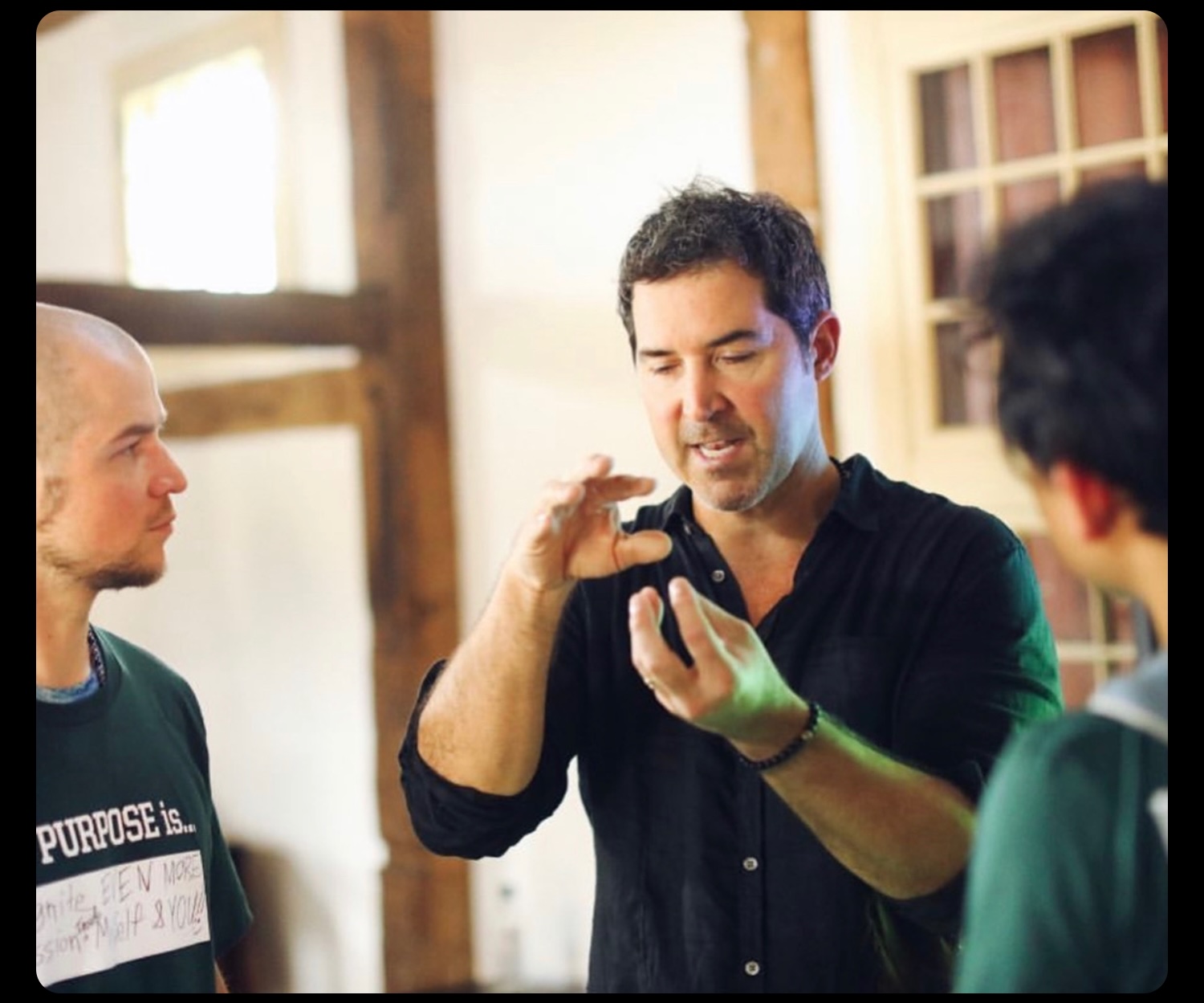
This is at the heart of what I find so compelling in the work of practitioners like John Amaral, whose approach to "Developing Somatic Rapport" was recently highlighted by the Trauma Research Foundation. His work, which he calls an "energetic approach to reclaiming the body with presence and grace," resonates deeply with my own understanding of how we heal. It's about inviting a profound connection back to our embodied experience, which is essentially the core of effective nervous system regulation therapy.
Understanding Nervous System Regulation Therapy and Embodied Presence
At its essence, nervous system regulation therapy is about helping your body's innate capacity to self-regulate. Our nervous system is constantly scanning for safety and threat, and when it gets stuck in patterns of fight, flight, freeze, or fawn, we can experience a wide range of physical and emotional symptoms. John Amaral's method, as described, offers a beautiful illustration of how we can consciously engage with this process. He talks about restoring connection to the body by meeting regions of pain, disconnection, or numbness "not with effort, but with presence." This distinction is crucial.
Think about it: how often do we try to fix our pain, push through our discomfort, or distract ourselves from what feels overwhelming? While these can be valid coping mechanisms in the short term, they often inadvertently reinforce the very disconnection we're trying to escape. Instead, Amaral invites us to transform "it" (a symptom or isolated part) back into "me" – utilizing the energy held in that region to support integration. This isn't about ignoring the challenge; it's about shifting our relationship to it.
In my practice, whether through somatic nervous-system work or other integrative approaches, I see this transformation unfold. When we approach our internal landscape with a gentle, non-judgmental awareness, the nervous system begins to feel safer. It's like sending a signal: "I'm here with you. We can explore this together." This is where the magic of embodied presence truly begins.
Tools for Reclaiming Your Body's Wisdom
The article mentions breath, subtle movement, energetic awareness, and self-touch as key components of Amaral's approach. These are powerful, accessible tools that we can all cultivate to foster greater somatic rapport:
• Breath: Conscious breathing is a direct pathway to influencing your nervous system. Slow, deep, diaphragmatic breaths can signal safety, shifting you from a sympathetic (fight/flight) to a parasympathetic (rest/digest) state.
• Subtle Movement: Our bodies hold stories and patterns. Gentle, intuitive movements, even micro-movements, can help release held tension, unlock stuck energy, and bring awareness to areas that have been ignored.
• Energetic Awareness: This speaks to recognizing the subtle sensations, vibrations, and flow within your body. It's about tuning into your "felt sense" – a deep, intuitive knowing that often precedes cognitive understanding.
• Self-Touch: A gentle hand on your chest when feeling anxious, a comforting embrace, or a mindful massage of a tense shoulder can be incredibly regulating. Self-touch activates the vagus nerve, promoting feelings of safety and connection.
What I notice with clients is that when they begin to consciously engage with these practices, they start to build a new relationship with their internal experiences. The body, which might have felt like a source of pain or betrayal, gradually becomes a source of wisdom and resilience. This is a foundational aspect of more posts on mental health and well-being.
The Somatic Bridge: Integrating Disconnection into Wholeness
From a somatic trauma therapy lens, the concept of transforming an "it" back into "me" is incredibly potent. When trauma occurs, our nervous system often creates a protective dissociation, isolating overwhelming experiences or sensations to survive. These isolated parts can then manifest as chronic pain, anxiety, depression, or a general sense of unease – the "it" that feels separate and problematic.
In Sensorimotor Psychotherapy, for instance, we carefully and gently invite awareness back to these fragmented experiences, not to re-traumatize, but to integrate. We use conscious movement, mindful presence, and tracking bodily sensations to help the nervous system complete incomplete defensive responses or process overwhelming emotions that were too much to bear at the time. This process allows the energy that was once bound in the "it" to be re-integrated into the whole self, leading to a profound sense of coherence and vitality. It's about listening to what the body already knows and creating a safe container for that wisdom to emerge.
Ultimately, developing somatic rapport is about cultivating a deeper, more compassionate relationship with yourself. It's an ongoing journey of listening, responding, and trusting your body's inherent capacity for healing and regulation. What might your body be trying to tell you if you truly leaned in with presence?
If you're curious about exploring these pathways to healing and connection, I invite you to learn more. You can schedule a free 15-minute consultation to see how we might work together at bodymeetmind.com.