
Breath by Breath: How Trauma Therapy That Works With the Body Unlocks Healing

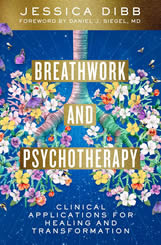
The simple act of breathing is something we rarely consciously consider, yet it’s a profound barometer of our inner world. I was deeply moved by the recent review in Somatic Psychotherapy Today of Jessica Dibb’s book, Breathwork and Psychotherapy: Clinical Applications for Healing and Transformation. The reviewer’s personal reflection on their own 'breath biography' — how past moments, from a childhood wave to profound grief, shaped their breathing patterns — resonated so deeply with what I witness every day in my practice. It beautifully illustrates how our breath carries the echoes of our past, especially our experiences of overwhelm or trauma. This understanding is foundational to effective somatic trauma therapy, a powerful form of `trauma therapy that works with the body`.
Unlocking Healing Through Embodied Breath
Think about it: when we’re startled, stressed, or in pain, our breath often hitches, shallows, or even stops. For many, this isn't just a momentary reaction; it becomes an ingrained pattern, a subtle but persistent way the body tries to protect itself from perceived threats, even long after the original danger has passed. The article highlights the reviewer’s realization that they frequently hold their breath in uncomfortable situations, 'blocking any impending pain and suffering.' This isn't a conscious choice in the moment, but a nervous system response that has learned to associate certain feelings or situations with past hurts.
In my work as a somatic trauma therapist, I often guide clients to gently explore these embodied breath patterns. From a somatic lens, chronic breath-holding or shallow breathing isn't just a habit; it’s a physiological strategy the nervous system developed to manage overwhelming experiences. It’s the body saying, 'If I hold still, if I make myself smaller, if I don't feel too much, I'll be safe.' This can manifest as a persistent tension in the diaphragm, restricted movement in the ribs, or a general sense of being 'stuck' in the chest. We call this the 'felt sense' – the internal, physical experience of our emotional states. When we learn to gently bring awareness to these patterns, without judgment, we create an opportunity for the nervous system to update its old strategies.
The exciting development, as the article points out, is the growing recognition of conscious breathwork within psychotherapy. While ancient traditions have long understood its power, modern clinical approaches are now integrating it to help individuals reconnect with their bodies and regulate their nervous systems. It's not about forcing a 'correct' way to breathe, but about cultivating a compassionate curiosity towards how we are breathing, and then gently inviting new possibilities. This can lead to profound shifts, not just in physical well-being, but in emotional regulation, cognitive flexibility, and a deeper sense of presence.
What I’ve seen with clients is that when we gently invite awareness to the breath, we begin to unlock stored tension and unresolved emotional energy. It’s like tending to a garden: we’re not trying to yank out weeds, but rather create fertile ground for new growth. This integrated approach, blending evidence-based practices with ancient wisdom, is at the heart of what I offer, whether through individual somatic sessions or Ketamine-Assisted Psychotherapy (KAP) where breath awareness can be a powerful anchor for grounding and integration.
I invite you to pause for a moment. Without trying to change anything, simply notice your breath. Where do you feel it most? Is it shallow or deep? Fast or slow? Is there any tension accompanying it? What story might your breath be telling you today?
Understanding our breath biography is a powerful step towards healing. If you’re curious about exploring how `trauma therapy that works with the body` can help you unlock deeper healing and cultivate a more regulated nervous system, I invite you to explore more posts on trauma and PTSD or reach out. I offer a free 15-minute consultation to discuss how I might support your journey. You can schedule yours today at bodymeetmind.com.
—
This post was inspired by the article "Breathwork and Psychotherapy: Clinical Applications for Healing and Transformation". Click the link to read the full original article.