
Beyond Survival: Embracing Embodied Pleasure for Trauma Healing

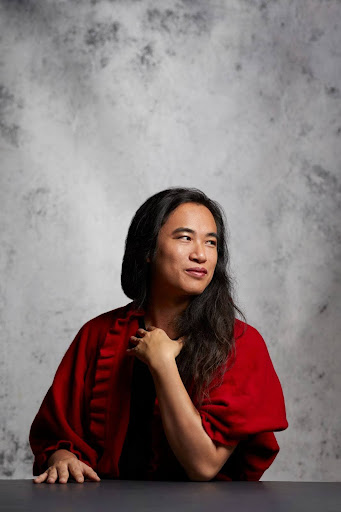
It's a common experience for those navigating the aftermath of trauma: life can feel like a constant state of defense, a vigilant scanning for threats, or a quiet withdrawal from the world. Our nervous systems, designed to protect us, often get stuck in patterns of 'no' or 'not yet,' making it challenging to fully inhabit our bodies, let alone experience joy. This is precisely why a recent session from the Trauma Research Foundation, featuring Kai Cheng Thom on "When The Body Says Yes: Embodied Pleasure and Trauma Healing," resonated so deeply with me and my work.
The Radical Idea of Pleasure in Healing
For many, the idea of pleasure feels secondary, perhaps even frivolous, when grappling with the profound pain of trauma. We're often taught that healing is about processing pain, confronting difficult memories, and building resilience. While all of these are vital components, the wisdom Kai Cheng Thom brings to the table, rooted in somatic intimacy coaching and somatic sex education, reminds us of a crucial, often overlooked, truth: pleasure is not just an outcome of healing; it’s a pathway to it. It’s a fundamental human experience that, when reclaimed, can profoundly shift our relationship with our bodies, ourselves, and the world around us.
In my practice as a somatic trauma therapist, I've seen firsthand how trauma can disconnect us from our bodies. The body, which once felt like a source of danger or betrayal, becomes a place we try to escape. But true healing, as Kai Cheng Thom beautifully illustrates, invites us back into the body, not just to process the pain, but to rediscover its capacity for joy, connection, and deep satisfaction.
Embodied Consent: Listening to the Body's 'Yes'
At the heart of this work is the concept of embodied consent. This isn't just about saying 'yes' or 'no' verbally; it's about learning to listen to the subtle, often neglected, signals our bodies send. Trauma can often override these signals, leaving us feeling disembodied or unable to discern what truly feels good, safe, or right for us.
Kai Cheng Thom's approach, grounded in nervous system science, helps individuals cultivate a deeper awareness of their internal landscape. What does a 'yes' feel like in your body? Is it an opening, a softening, a sense of expansion? And what does a 'no' feel like? Is it a tightening, a contraction, a subtle pull away? Learning to discern and honor these internal sensations is a revolutionary act, especially for those whose boundaries have been violated or whose inner wisdom has been silenced by traumatic experiences. This re-establishes a felt sense of agency and empowerment, rebuilding trust in our own internal compass.
Pleasure as a Resource for Regulation
One of the most powerful insights from this lineage of work is that pleasure can be a profound resource for nervous system regulation. When we experience authentic, embodied pleasure – whether it's the warmth of a bath, the taste of a delicious meal, the comfort of a gentle touch, or the joy of movement – our nervous system receives signals of safety and well-being. This helps to counteract the chronic activation often associated with trauma, gently guiding us out of fight-flight-freeze responses and into a more regulated, present state.
In my work, I often guide clients to explore their 'glimmers' – those small moments of joy, beauty, or connection that bring a sense of ease. These aren't just fleeting moments; they are vital anchors that can help our nervous systems remember how to rest, digest, and connect. Integrating practices like Sensorimotor Psychotherapy and the principles of Ketamine-Assisted Psychotherapy (KAP) often creates a fertile ground for these new experiences to take root, allowing for a deeper exploration of safety and connection within the body.
Cultivating Joy: An Active Path to Wholeness
Kai Cheng Thom emphasizes that cultivating joy and pleasure is not a passive process. It's an active, intentional engagement with our senses and our internal world. It's about de-shaming pleasure, recognizing it as a fundamental aspect of human thriving, and making space for it in our lives, even amidst the ongoing work of healing.
This perspective aligns beautifully with the integrative approach I take in my practice. Whether we are exploring embodied practices to soothe the nervous system, working with the Gottman Method to foster deeper connection and joy in relationships, or using KAP to gently shift perspectives and create new neural pathways, the underlying goal is to expand capacity – not just for tolerating distress, but for embracing the fullness of life, including its inherent pleasures.
Healing isn't just about surviving; it's about learning to thrive, to feel alive, and to experience the profound 'yes' that our bodies are capable of. It's about reclaiming our birthright to joy.
Where in your life can you intentionally make space for a little more 'yes'? What does authentic, embodied pleasure look and feel like for you today?
If you're curious about exploring these profound connections between your mind, body, and spirit in your healing journey, I invite you to book a free 15-minute consultation at bodymeetmind.com. Let's explore how we can cultivate more embodied joy together.
—
This post was inspired by the article "When The Body Says Yes: Embodied Pleasure and Trauma Healing with Kai Cheng Thom". Click the link to read the full original article.